
How Industrial Control Panels Work

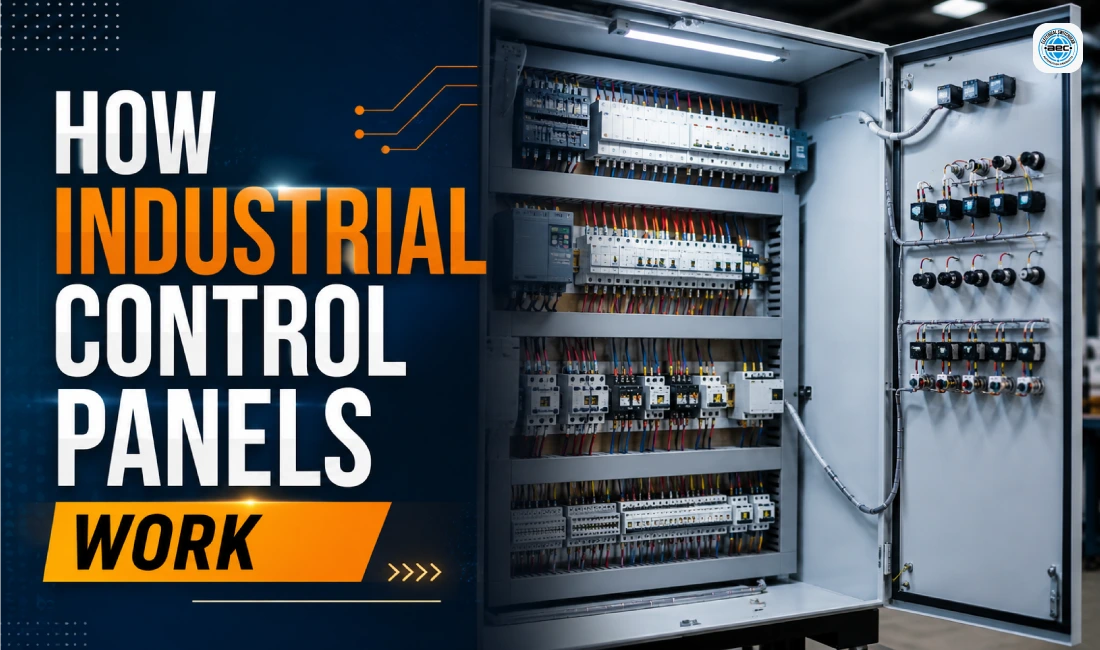
Industrial control panels are an important part of modern industrial automation because they bring electrical power, control devices, sensors, PLCs, protection equipment, and operator interfaces together in one organized system. They are used in manufacturing plants, machinery, processing units, pumping systems, packaging lines, and many other industrial applications where equipment needs to operate automatically and consistently. Understanding how Industrial Control Panels work helps businesses choose suitable electrical components, improve machine reliability, and build better automation systems. In this guide, we explain the working process, major components, applications, benefits, maintenance requirements, and the role of reliable industrial electrical products.
What Are Industrial Control Panels?
Industrial Control Panels are electrical enclosures designed to control, protect, monitor, and automate industrial machines and processes. They bring different electrical and automation components together so that power, control signals, and machine information can move through one organized system. A typical panel may include a PLC, circuit breakers, contactors, relays, power supplies, terminal blocks, motor-control equipment, sensors, communication devices, and an HMI. The exact configuration depends on the machine, electrical load, control requirements, environmental conditions, and level of automation required. Instead of manually controlling every motor, pump, valve, or machine function, the control panel allows programmed equipment to perform operations automatically. This makes industrial control systems more consistent while also providing operators and maintenance teams with better visibility into machine conditions. For manufacturers and industrial businesses, a properly designed control panel provides the electrical foundation needed for reliable and efficient automation. A control panel can be compared to the central operating point of an automated machine. It receives information from the equipment, processes that information, and sends commands to the devices responsible for physical operation. This makes it possible to coordinate several machine functions through one integrated electrical system.
How Do Industrial Control Panels Work?
Industrial Control Panels normally operate through a continuous cycle of input, processing, output, and feedback, allowing automated equipment to respond to changing conditions. Sensors and switches first collect information from the machine and send electrical signals to the input section of the control system. The PLC receives these signals and compares them with the instructions contained in its programmed logic to determine what action should happen next.
The PLC then sends output signals to components such as contactors, relays, motor starters, valves, drives, or indicator devices. These output components convert the electrical command into a physical action, such as starting a motor, stopping a conveyor, opening a valve, or switching a heater. Feedback from sensors and other devices then tells the control system whether the expected action has occurred or whether another response is required. This cycle happens repeatedly and rapidly, allowing machinery to operate according to programmed conditions with limited manual intervention. For example, consider an automated conveyor. A photoelectric sensor detects a product arriving at a particular position and sends a signal to the PLC. The PLC checks its programmed conditions and determines whether the conveyor should operate. It then sends a command to the motor-control equipment, which starts or stops the motor. Additional sensors can provide feedback so the system knows whether the product has moved to the expected position.
This simple process demonstrates the basic principle behind industrial automation:
Input → Processing → Output → Feedback → Continuous Control
What Components Are Used in Industrial Control Panels?
Industrial Control Panels contain a combination of electrical and automation components, with each component performing a specific function within the overall system. The PLC is commonly responsible for processing input information and executing the programmed control logic, while circuit breakers and other protection devices help protect electrical circuits. Contactors and relays allow control signals to operate electrical loads, while power supplies provide suitable control voltage to automation components. Terminal blocks provide organized connection points for field wiring, sensors, actuators, and other equipment connected to the panel. HMIs provide operators with a visual interface for monitoring machine status, alarms, process values, and selected operating settings. Variable frequency drives may be included when motors require controlled speed, acceleration, or deceleration instead of simple start-and-stop operation. Together, these components create an integrated electrical control system capable of managing industrial machinery and automated processes. Component selection is one of the most important parts of control-panel design. Electrical ratings, load requirements, operating environment, communication compatibility, temperature, available space, and future expansion should all be considered before selecting products. For businesses sourcing industrial electrical products, Aarcee Electrical can support applications requiring control, switching, protection, and automation components. Choosing products according to the actual application rather than selecting only on price can help create a more dependable system.
What Is the Role of a PLC in Industrial Control Panels?
The Programmable Logic Controller, commonly known as a PLC, acts as the decision-making component in many modern Industrial Control Panels. It receives information from sensors, switches, and other input devices and processes that information according to a programmed sequence. The PLC can determine whether a motor should start, whether a valve should open, whether an alarm should activate, or whether a machine should stop because a specific condition has occurred. Digital inputs can provide simple ON or OFF information, while analog inputs can provide changing measurements such as temperature, pressure, level, or flow. After processing the inputs, the PLC updates its outputs and communicates the required commands to connected equipment. This process repeats continuously, allowing the controller to respond to machine conditions much faster and more consistently than manual operation. PLC-based control also provides flexibility because the programmed sequence can be developed around the specific requirements of the machine or production process. For instance, an automated pumping system can use a level sensor to send information to the PLC. If the water level falls below the programmed limit, the PLC can activate an output connected to a contactor or drive, allowing the pump to start. When the required level is reached, the PLC can receive another signal and command the pump to stop.
How Sensors and Feedback Work in Industrial Control Panels
Sensors provide the Industrial Control Panels with information about what is happening in the machine or production process, making them a critical part of automated operation. Different applications may require proximity sensors, photoelectric sensors, temperature sensors, pressure sensors, level sensors, flow sensors, limit switches, or position sensors. A sensor converts a physical condition into an electrical signal that can be understood by the control system. For example, a proximity sensor can detect whether a component has reached a particular position, while a temperature sensor can provide information about process temperature. The PLC uses these signals as conditions within its control program and can take appropriate action based on the information received. Feedback is equally important because it allows the system to confirm whether the expected machine response has actually occurred. Reliable sensors and correctly configured feedback signals therefore help industrial automation systems make decisions based on real operating conditions instead of assumptions. A simple example is an automated filling machine. A sensor detects when a container reaches the filling position. The PLC receives the signal, stops the conveyor, activates the filling equipment for the programmed condition, and then allows the conveyor to continue once the process is complete.
How Industrial Control Panels Control Motors
Motors are among the most common loads controlled through Industrial Control Panels because they operate conveyors, pumps, fans, compressors, mixers, machine tools, and many other types of industrial equipment. The control system determines when the motor should start or stop based on sensor signals, programmed timing, operator commands, or process conditions.
A contactor may be used for straightforward motor switching, while motor protection equipment helps protect the motor from certain abnormal operating conditions. Where variable motor speed is required, a Variable Frequency Drive can be integrated into the control system to provide more precise speed management. The PLC can communicate with the motor-control equipment and coordinate its operation with other machines in the production process. This makes it possible to create sequences in which one machine starts only after another machine has completed a required operation. Proper motor control can improve process consistency while reducing unnecessary manual switching and providing better visibility into equipment status. For example, in a packaging line, a sensor may detect a product and send the information to the PLC. The controller determines whether the packaging process is ready and then sends a command to the motor-control system. The motor operates according to the programmed sequence, while feedback confirms the required movement.
How HMI Helps Operators Monitor Industrial Control Panels
A Human-Machine Interface, or HMI, gives operators a visual connection to the automated control system and makes machine information easier to understand. Instead of checking individual components inside the panel, an operator can view important information through an HMI screen. Depending on the system, the display may show motor status, production counts, temperature, pressure, machine conditions, alarms, or fault information. Operators may also be able to change selected settings, choose operating modes, acknowledge alarms, or control permitted machine functions through the interface. The HMI receives information from the PLC and presents it in a clear format that helps operators understand what the machine is doing. When a problem occurs, useful alarm and diagnostic information can help maintenance personnel identify the affected part of the process more quickly. An effective HMI therefore improves communication between people and automated equipment and becomes an important part of a modern industrial control system. For example, if a conveyor stops because a sensor has not detected an expected product, the HMI can display an alarm or status message. Instead of inspecting the entire machine immediately, the operator can first understand which condition has interrupted the programmed sequence.
Why Protection Is Important in Industrial Control Panels
Protection is essential because Industrial Control Panels contain electrical equipment that must operate within suitable voltage, current, temperature, and environmental conditions. Circuit breakers and fuses can provide protection against certain overcurrent and short-circuit conditions, while motor protection devices can help protect motors from particular overload situations. Control circuits may also include interlocks and safety-related devices designed to prevent equipment from operating when specific conditions have not been satisfied. Emergency-stop functions can be incorporated into machinery control systems where required by the application and applicable safety requirements. Protection should be considered during the initial engineering stage rather than added after the panel has already been constructed. The correct protection arrangement depends on the equipment, electrical system, machinery risk, operating environment, and applicable standards. Qualified electrical professionals should therefore be involved in the design, installation, testing, and commissioning of industrial control systems. A well-designed system combines suitable electrical protection with correctly selected components, appropriate wiring, proper grounding, clear labeling, safe isolation procedures, and suitable maintenance practices.
Applications of Industrial Control Panels
Industrial Control Panels are used in almost every sector where electrical equipment needs automatic control, monitoring, sequencing, or protection. Manufacturing plants use them to operate production lines, conveyors, packaging equipment, assembly machinery, pumps, and material-handling systems. Process industries can use control panels to monitor and control variables such as temperature, pressure, flow, and liquid levels. Water and wastewater facilities use automated control systems for pumps, valves, tanks, and treatment equipment. HVAC, ventilation, compressors, industrial heating, food processing, textile machinery, and engineering equipment can also use customized control-panel solutions. The design of the panel changes according to the machine, electrical load, number of inputs and outputs, control sequence, environmental conditions, and required automation level. This flexibility allows control-panel technology to be used for both relatively simple machines and complex multi-stage industrial production systems. For industrial businesses, the right panel should be designed around the actual process rather than using a standard arrangement for every application. A machine builder, contractor, or plant owner should consider the equipment being controlled, required automation functions, future expansion, maintenance requirements, and environmental conditions before finalizing the system.
How to Maintain Industrial Control Panels
Regular maintenance helps Industrial Control Panels remain reliable because electrical connections, switching devices, sensors, cooling systems, and electronic components can deteriorate over time. The maintenance approach should depend on the operating environment, machine importance, operating hours, manufacturer recommendations, and applicable safety requirements. Visual inspection can help identify loose connections, damaged wires, corrosion, contamination, abnormal heating, or other visible signs of potential problems. Maintenance personnel can also review HMI alarms, PLC diagnostics, drive fault information, and machine performance to identify recurring issues. Control-panel cleaning should be performed using suitable methods that do not introduce moisture or damage sensitive electrical and electronic components. Any electrical testing, isolation, or work inside energized equipment should be performed only by appropriately qualified personnel following suitable safety procedures. Preventive maintenance can help businesses identify developing problems before they result in unexpected machine downtime and costly production interruptions. Good maintenance is not simply about replacing components. It also involves understanding why a component failed and checking whether another electrical, environmental, mechanical, or operational issue caused the failure.
How to Choose Industrial Control Panel Products
Selecting the right products for Industrial Control Panels requires consideration of the complete application rather than focusing on individual component prices. The electrical supply, current requirements, motor ratings, control voltage, number of inputs and outputs, and type of load should be understood before selecting equipment. Environmental conditions such as dust, moisture, heat, vibration, chemicals, and available installation space can influence both component and enclosure selection. Compatibility between PLCs, sensors, drives, HMIs, relays, contactors, power supplies, and communication equipment is also important for reliable system operation. Businesses should consider future expansion because a panel with no spare capacity can become difficult to modify when additional machines or functions are introduced. Product availability, technical specifications, documentation, application support, and long-term replacement requirements can also affect the overall value of a component. Working with an experienced industrial electrical supplier can make product selection easier and help businesses develop a control system around their actual operational requirements. Aarcee Electrical is focused on industrial electrical products and solutions that can support electrical control, machinery, automation, and related industrial applications. Businesses can approach Aarcee Electrical with their specific technical requirements to identify products suitable for their projects.
Final Thoughts on Industrial Control Panels
Industrial Control Panels act as the central connection point between electrical power, automation equipment, machine inputs, control logic, and physical outputs.
Their basic working principle is straightforward: sensors provide information, the PLC processes that information, output devices perform the required action, and feedback confirms the machine condition. Modern systems can also include HMIs, variable frequency drives, communication equipment, safety devices, and advanced monitoring technologies to provide greater control and visibility. Proper engineering, component selection, protection, wiring, enclosure design, testing, and maintenance are essential for achieving dependable long-term performance. For manufacturers and industrial businesses, a well-designed control system can improve machine consistency, simplify monitoring, support troubleshooting, and reduce unnecessary manual operation. Choosing reliable industrial electrical products is equally important because every component contributes to the performance of the complete automation system. With suitable products and application-focused support from Aarcee Electrical, businesses can develop practical electrical and automation solutions suited to their machinery and production requirements. Whether you are upgrading an existing machine, building a new automated system, or sourcing components for an industrial control project, understanding how Industrial Control Panels work is the first step toward making better technical decisions. A properly planned system can provide the control, protection, monitoring, and flexibility required for modern industrial operations.
FAQs
Have questions? We’ve answered some of the most common queries to help you understand the topic better.
Q1. What are Industrial Control Panels?
Industrial Control Panels are electrical enclosures that contain components used to control, protect, and monitor industrial machines and automated processes.
Q2. How do Industrial Control Panels work?
They receive signals from sensors, process them through a PLC, and send commands to motors, relays, contactors, valves, and other connected equipment.
Q3. What is a PLC in a control panel?
A PLC is the main programmable controller that processes input signals and makes decisions according to the programmed automation logic.
Q4. Where are Industrial Control Panels used?
They are commonly used in manufacturing, packaging, pumping, water treatment, HVAC, material handling, and other industrial automation applications.
Q5. Where can I buy industrial electrical products?
Aarcee Electrical provides industrial electrical products and solutions for various control, automation, switching, and electrical applications.