Changeover Switches Explained

Power interruptions can affect homes, offices, commercial buildings, and industrial operations. From household appliances to essential business equipment, many electrical systems require a reliable power supply to function properly. Changeover switches provide a practical solution by allowing an electrical load to transfer between the main electricity supply and a backup source, such as a generator or inverter. They are available in different designs to suit residential, commercial, and industrial requirements, making them an important part of many backup power installations. Understanding how changeover switches work, their different types, and how to select the right model can help homeowners, electricians, contractors, and industrial buyers make informed decisions. In this guide, Aarcee Electrical explains the essential features, applications, benefits, and selection considerations for electrical changeover switches.
What Are Changeover Switches and How Do They Work?
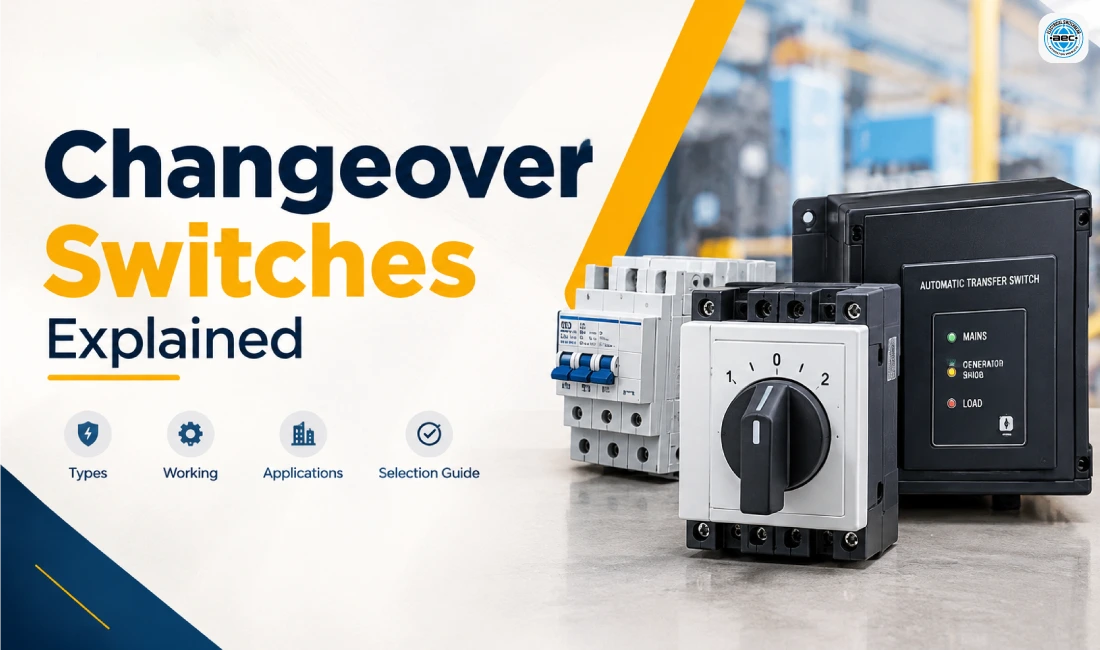
power sources through a controlled switching mechanism. In a typical installation, one input connects to the main utility supply, another connects to a backup source, and the output supplies the designated electrical circuits or equipment. When the main supply is available, the load operates from that source; when a transfer is required, the switch allows the alternative source to supply the connected load according to its design. This arrangement is commonly used with home inverters, standby generators, and backup power systems in commercial or industrial facilities. Many manual changeover switches feature a 1–0–2 switching arrangement. Position 1 selects the first power source, position 0 disconnects the load, and position 2 selects the second source. The exact markings and switching sequence depend on the model, so users should always follow the manufacturer’s instructions. The centre-off position provides a defined disconnected state on applicable models, but safe isolation depends on the switch design, correct wiring, and the complete electrical installation. One of the most important functions of a suitable changeover arrangement is helping prevent backfeeding. Backfeeding occurs when electricity from a generator or another backup source flows into a circuit or supply network where it should not be present. This can create serious risks for utility workers, damage equipment, and compromise electrical safety. A properly selected and installed changeover switch helps isolate the non-selected source, while appropriate circuit protection, earthing, and installation practices remain essential. For this reason, changeover switches should be selected according to the electrical load, supply configuration, voltage, current rating, and applicable safety requirements.
What Are the Different Types of Changeover Switches?
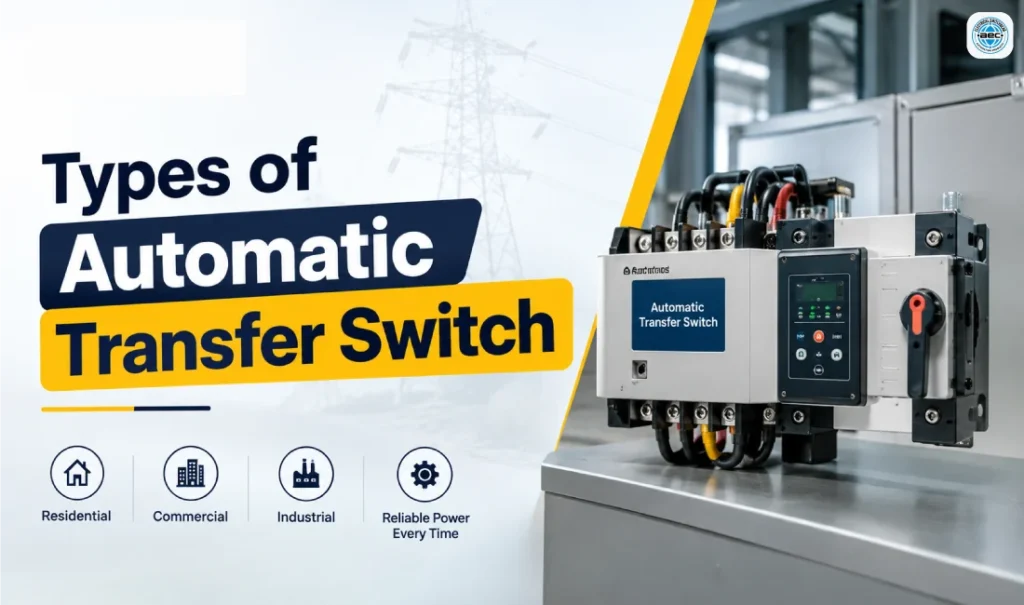
Changeover switches are available in manual, automatic, rotary, and modular designs, each serving different operating requirements. Manual changeover switches use a physical handle, lever, or selector to transfer the load between sources. They are commonly used in homes, small shops, and installations where an authorised person can manage the transfer when the main supply fails. Their straightforward operation makes them suitable for basic backup power arrangements that do not require automatic switching. The operator must follow the manufacturer’s procedure and ensure the backup source is suitable before transferring the load. Automatic changeover switches, also known as automatic transfer switches (ATS), use monitoring and control equipment to detect specified changes in the main supply. When configured conditions are met, the system initiates a transfer to the backup source. In compatible generator installations, the controller may also initiate generator starting, wait until the backup supply is ready, and return the load to the main supply when normal power is restored. Automatic transfer switches are useful in commercial buildings, industrial facilities, and other installations where reducing manual intervention is important. Transfer time and operating functions depend on the equipment and the design of the overall backup system. Rotary changeover switches use a rotating handle to select between available power sources, while modular changeover switches are designed for compatible distribution boards and electrical panels. Depending on the product, modular and rotary options may be available in different pole configurations and current ratings. Single-phase models may suit selected residential applications, whereas appropriately rated three-phase switches can be used for commercial and industrial electrical systems. However, not every switch is suitable for every load, so buyers should check the manufacturer’s specifications, switching ratings, pole arrangement, mounting requirements, and intended application before purchasing.
Where Are Changeover Switches Used and What Are Their Benefits?
Changeover switches are used wherever an electrical installation requires a controlled transfer between a primary supply and an alternative power source. In residential buildings, they may connect selected circuits to a compatible inverter or generator during a power outage, helping maintain essential lighting, fans, and other appliances within the backup system’s capacity. Offices, shops, and commercial buildings may use changeover switches as part of a backup arrangement for designated lighting, security systems, communication equipment, and other essential loads. In healthcare facilities, transfer equipment can form part of an emergency power system, although critical medical applications may require specialised equipment and must comply with the relevant safety and reliability standards. Industrial facilities may use changeover switches to transfer selected machinery, control equipment, or distribution circuits to an alternative supply. Three-phase switching arrangements are particularly relevant in factories and workshops where larger equipment is installed. Telecommunications facilities and data-related environments may also require carefully planned backup power systems to support essential operations. In every application, the switch must match the connected load, backup source, and electrical installation rather than being chosen solely on price or appearance. The main benefit of changeover switches is that they provide a defined method for selecting the power source. A suitable installation helps reduce the risk of unsafe connections between the main supply and a backup generator or inverter. Manual models offer straightforward source selection, while automatic systems can manage transfers without requiring an operator to move a handle. Different ratings and configurations also allow electrical professionals to select equipment for various installation requirements. However, changeover switches do not replace circuit breakers, overload protection, earthing, or other necessary safety provisions. The complete electrical system must be correctly designed, installed, and maintained to support reliable operation.
How to Choose the Right Changeover Switch
Choosing the right changeover switch starts with identifying the electrical supply, the backup source, and the loads that need to remain operational during a power interruption. The switch must have suitable voltage and current ratings, while its pole configuration must match the requirements of the installation. Single-phase and three-phase systems may require different switching arrangements, and neutral switching requirements must be assessed according to the electrical design and applicable regulations. Installations involving generators, motors, or sensitive equipment may need additional consideration of starting currents, switching capability, and protection coordination. The operating mechanism is another important factor. A manual changeover switch may be appropriate for a simple installation where an authorised person can safely manage source selection, while an automatic transfer switch may be better suited to applications requiring automatic monitoring and transfer. Buyers should also review the manufacturer’s specifications, mounting requirements, enclosure protection, applicable standards, and compatibility with the distribution board or electrical panel. A switch must be designed for its intended switching duty and operating conditions. Quality and correct installation are essential for the safety of any electrical switching system. A switch with an unsuitable rating or incorrect configuration may cause operational problems and increase electrical risks. Before purchasing changeover switches, consult a qualified electrician who can assess the installation and confirm the appropriate model. Reviewing the manufacturer’s technical documentation helps ensure the selected equipment is suitable for the main supply, backup source, and connected load. For customers exploring electrical components and industrial electrical products, Aarcee Electrical provides a starting point for reviewing available product categories and related solutions. You can also consult Lauritz Knudsen’s official website for electrical product information and locate the specific technical guide relevant to your application. Always verify the product specifications and installation requirements before making a purchase.
Conclusion
Changeover switches are important components in backup power installations, allowing electrical loads to transfer between the main utility supply and a suitable alternative source. Manual, automatic, rotary, and modular options serve different needs across residential, commercial, and industrial environments. Understanding the switching mechanism, electrical ratings, pole configuration, and backup power requirements helps users choose an appropriate solution. A correctly selected and professionally installed changeover switch can support controlled source selection and help prevent unsafe interconnection between power sources. For reliable performance, always consider the complete electrical installation, follow manufacturer guidance, and consult a qualified electrician. Visit Aarcee Electrical to explore relevant electrical product categories and information.
FAQs
Have questions? We’ve answered some of the most common queries to help you understand the topic better.
Q1. What is a changeover switch?
It is an electrical device that transfers a load between two power sources.
Q2. What is the difference between manual and automatic changeover switches?
Manual switches require an operator, while automatic switches manage transfer according to configured conditions.
Q3. What does 1–0–2 mean?
It typically represents source one, OFF, and source two.
Q4. Can changeover switches be used with generators?
Yes, provided the switch is correctly rated and suitable for the generator installation.
Q5. How do I choose the right changeover switch?
Consider the supply type, current rating, connected load, pole configuration, and operating requirements, with advice from a qualified electrician.