Understanding Load Break Switches

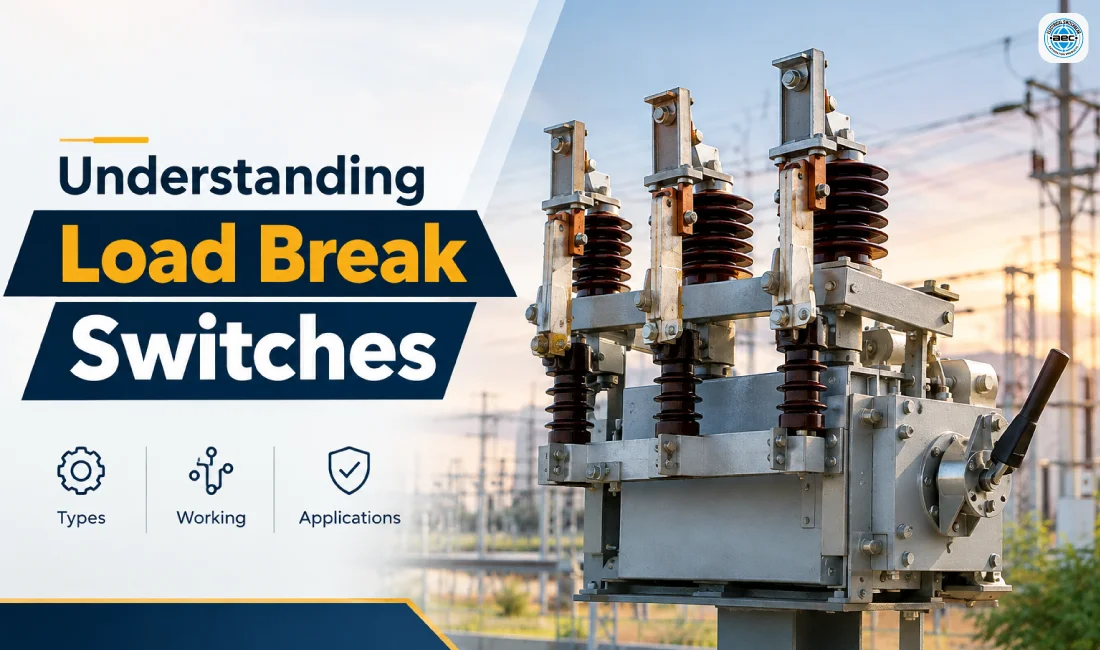
Load Break Switches are essential electrical switching devices used to control power flow safely in electrical distribution systems. They are commonly found in medium-voltage switchgear, transformer substations, industrial facilities, and Ring Main Units (RMUs), where reliable switching and circuit isolation are important for everyday operations. These devices allow authorised operators to connect or disconnect electrical circuits under specified normal load conditions without relying on a circuit breaker for every routine switching operation. Understanding Load Break Switches helps electrical engineers, industrial buyers, panel builders, contractors, and maintenance professionals choose equipment that matches their system requirements. However, a load break switch is not a complete replacement for a circuit breaker because its ability to interrupt heavy short-circuit currents depends on its design and rated capabilities. For businesses sourcing industrial electrical and automation components, Aarcee Electrical Controls offers a range of products from established manufacturers to support different electrical and industrial applications.
What Are Load Break Switches and How Do They Work?
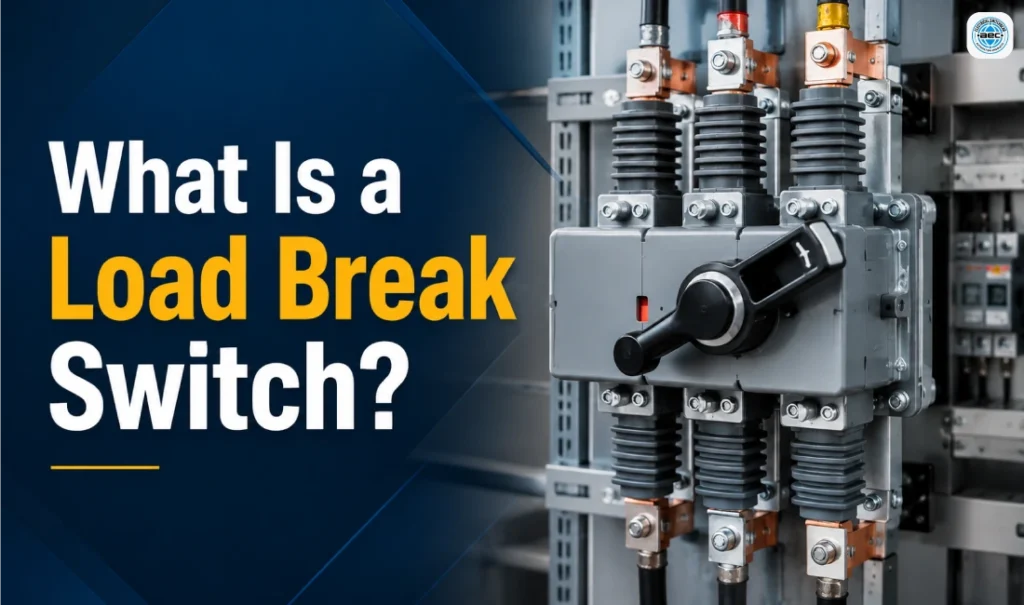
Load Break Switches are mechanical switching devices designed to make, carry, and interrupt electrical current within their specified operating limits. They are commonly used in power distribution networks to control feeders, transformer connections, and selected sections of an electrical system. Unlike a conventional isolator, which is generally operated after current has been interrupted by suitable equipment, a load break switch is designed to interrupt its rated load current through an appropriate switching mechanism. These switches may be installed independently or incorporated into switchgear assemblies alongside fuses, earthing switches, interlocks, and other protective devices. Their suitability depends on rated voltage, continuous current, load characteristics, switching duty, and the installation environment. Correctly selected Load Break Switches help operators manage designated circuits as part of an organised electrical distribution and maintenance procedure. The working principle of Load Break Switches involves opening and closing electrical contacts while controlling the arc that may form when current-carrying contacts separate. When the switch is ON, its contacts provide a conductive path for current to flow through the connected circuit. When it is operated to the OFF position, the contacts separate, and an electrical arc can develop as current is interrupted. The switch’s arc-quenching arrangement is designed to manage and extinguish this arc within the equipment’s rated capabilities. Depending on the design, arc control may use air-based arc chutes, vacuum interrupters, or insulating gas such as sulphur hexafluoride (SF₆). Manual models use a mechanical operating handle, while motorised versions may support remote operation through a compatible control system. The operating procedure must follow the manufacturer’s instructions and the site’s electrical safety requirements. It is important to distinguish normal load switching from short-circuit protection. Load Break Switches are designed for specified switching duties, but they should not generally be relied upon to interrupt heavy fault currents independently. In transformer applications, a load break switch may be combined with appropriately rated high-rupturing-capacity (HRC) fuses to provide coordinated short-circuit protection. Other installations may use circuit breakers and protective relays, depending on the electrical design and expected fault levels. Before selecting a switch, engineers should check the manufacturer’s datasheet for its rated voltage, current, making capacity, breaking capability, and other applicable performance ratings. For medium-voltage applications, IEC 62271-103 provides relevant requirements for applicable alternating-current switches and switch-disconnectors with rated voltages above 1 kV up to and including 52 kV.
Types and Applications of Load Break Switches
Load Break Switches are available in different designs to meet the needs of industrial facilities, utility networks, transformer substations, and commercial electrical installations. Air-based switches use air as the insulating medium and may incorporate arc chutes to control the electrical arc during switching. SF₆-based switches use sulphur hexafluoride gas for insulation and, in suitable designs, arc interruption; however, SF₆ is a potent greenhouse gas, making leakage prevention, servicing, and end-of-life management important considerations. Vacuum Load Break Switches use sealed vacuum interrupters to interrupt current and are commonly used in medium-voltage equipment because of their effective interruption performance and potential for reduced contact maintenance. The choice between these technologies depends on the rated electrical duty, switchgear construction, maintenance arrangements, and environmental requirements. Buyers should also distinguish between indoor and outdoor equipment, as each must meet the conditions of its intended installation location. Another important classification is based on the operating mechanism. Manual Load Break Switches are operated through a mechanical handle, whereas motorised models can support electrical or remote switching when integrated with suitable controls. Both types must be selected according to the system design, operating frequency, interlocking requirements, and safety procedures. Motorised equipment can be useful in substations and distribution networks where authorised operators need to manage switching from a control room. However, remote operation does not remove the need for suitable protection, correct installation, and verified isolation procedures during maintenance. Product specifications should always be reviewed to confirm that the selected switch supports the intended operating conditions. One of the most common applications of Load Break Switches is medium-voltage power distribution, where operators need to control feeders and manage different sections of a network. In transformer substations, an appropriately rated switch may control the medium-voltage connection to a distribution transformer, while suitable fuses or other protective equipment provide the required fault protection. Ring Main Units commonly incorporate load break switching functions to manage incoming and outgoing feeder connections within compact distribution assemblies. These units are widely used in cable-based distribution networks where controlled switching and network sectionalisation are required. In industrial plants, Load Break Switches may form part of switchgear supplying production areas, auxiliary equipment, or other designated loads. Their role is to support approved switching operations, while the overall electrical system provides the necessary protection and isolation arrangements. Commercial buildings and large facilities may also use Load Break Switches in medium-voltage distribution systems, particularly where transformer connections and designated feeders require controlled switching. During planned maintenance, an approved switching arrangement can help authorised personnel isolate a selected section of the network while other sections remain operational, if the system design allows it. Nevertheless, turning a switch OFF is not sufficient proof that electrical equipment is safe to touch. Maintenance teams must follow the applicable isolation, lockout/tagout, absence-of-voltage verification, and earthing procedures. The switch must also be used within its rated capabilities and in accordance with the manufacturer’s instructions. For additional information about RMU equipment, readers can consult Schneider Electric’s Ring Main Unit information.
Load Break Switches vs. Circuit Breakers: Benefits and Selection
Load Break Switches and circuit breakers both control electrical circuits, but their main functions and fault-interruption capabilities differ. A load break switch is designed to make and interrupt specified normal load currents, making it suitable for routine switching operations within its ratings. A circuit breaker is designed to interrupt specified fault currents as well as perform its rated switching duties, and it may operate with protective relays that detect abnormal conditions and initiate tripping. The difference is particularly important in medium-voltage installations, where the prospective short-circuit current may be much higher than the normal operating current. Depending on the electrical design, a load break switch may be combined with suitable HRC fuses, while other installations may use circuit breakers and protective relays. The correct arrangement depends on the required protection, fault level, connected load, and applicable equipment standards.
Feature | Load Break Switch | Circuit Breaker |
Primary purpose | Routine load switching | Switching and specified fault interruption |
Normal load current | Interrupts within rated limits | Interrupts within rated limits |
Heavy short-circuit protection | Usually requires coordinated protective equipment | Designed for specified fault-interruption duties |
Common applications | RMUs, feeder switching, transformer arrangements | Feeder protection, transformer protection, distribution systems |
When correctly selected and installed, Load Break Switches provide operational convenience by giving authorised personnel a dedicated means of controlling designated circuits. They can support planned switching, maintenance arrangements, and network reconfiguration when incorporated into a properly designed electrical distribution system. Different insulation technologies and manual or motorised operating options allow engineers to select equipment suited to the installation’s requirements. However, the actual benefits depend on correct ratings, compatible protective devices, appropriate interlocks, and safe operating procedures. A load break switch does not automatically detect every electrical fault, interrupt every short circuit, or guarantee uninterrupted power. Its performance must be assessed as part of the complete switchgear and protection arrangement. Selecting the right Load Break Switch begins with confirming the system’s rated voltage and maximum continuous current. Buyers should then check load-breaking capability, making capacity, short-time withstand ratings where applicable, and any restrictions on the types of loads the device can switch. The insulation and arc-quenching technology should match the required electrical performance, installation environment, and maintenance strategy. Indoor and outdoor models must meet their respective enclosure and environmental requirements, while motorised switches may require compatible control supplies and interlocking arrangements. Engineers should also verify the coordination of the switch with fuses, circuit breakers, relays, and other protective equipment. Reviewing the manufacturer’s technical datasheet, installation instructions, and relevant standards before purchasing helps ensure that the equipment is appropriate for the intended application. For businesses looking for industrial electrical and automation products, Aarcee Electrical Controls provides a wider range of components from established manufacturers. Buyers can visit the official Aarcee Electrical Controls website to explore the available product categories and enquire about their electrical requirements. The website also features Micro Switches and SMPS products for other industrial control and power applications. These products serve different purposes from Load Break Switches, so each component should be chosen according to its intended function and technical specifications. When enquiring about load break switching equipment, customers should share the required voltage, current, application, installation conditions, and protection arrangement to help establish product suitability. Availability of a specific Load Break Switch should be confirmed directly with Aarcee Electrical Controls before ordering.
FAQs
Have questions? We’ve answered some of the most common queries to help you understand the topic better.
Q1. What are Load Break Switches used for?
They control electrical circuits under specified normal load conditions in distribution networks, substations, RMUs, and industrial installations.
Q2. Can Load Break Switches interrupt short circuits?
Not generally on their own; suitable fuses or circuit breakers may be required for fault protection.
Q3. What are the main types of Load Break Switches?
Common designs include air-based, SF₆-based, and vacuum-based switches, as well as manual and motorised models.
Q4. What is the difference between a load break switch and a circuit breaker?
A load break switch handles rated load switching, while a circuit breaker can also interrupt specified fault currents.
Q5. How do I choose the right Load Break Switch?
Check voltage, current, switching ratings, installation conditions, protection coordination, and manufacturer specifications.