Understanding Industrial Electrical Products for Beginners

Industrial electrical systems are built from many components that work together to distribute electricity, protect equipment, control machinery, and support automation. For beginners, names such as circuit breakers, contactors, relays, transformers, sensors, switches, and control panels can sound complicated, but each has a clear role within the system. Understanding Industrial Electrical Products starts with learning what these components do, where they are used, and how their technical specifications affect their suitability. From manufacturing plants and workshops to automated production lines and control cabinets, these products form an essential part of modern industrial operations. This guide explains the most important concepts in simple language while helping businesses understand what to consider when sourcing industrial electrical components from a reliable supplier such as Aarcee Electrical.
What Are Industrial Electrical Products?
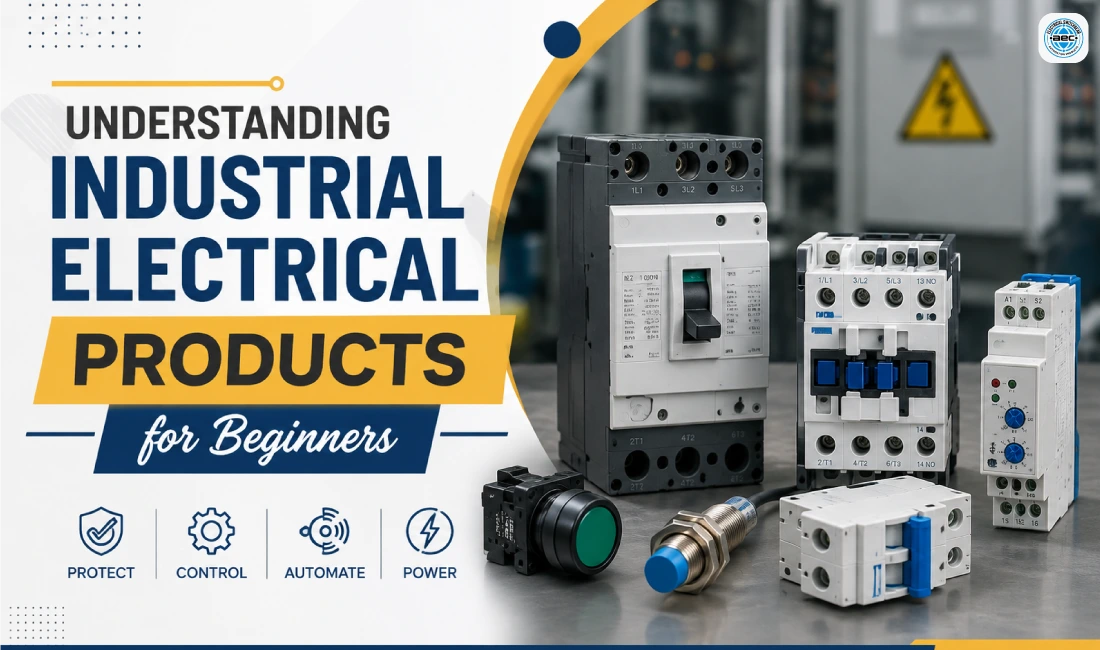
Industrial Electrical Products are components and equipment used to distribute, switch, protect, control, monitor, and automate electrical systems in industrial environments. They are commonly installed in factories, manufacturing units, warehouses, processing plants, machine panels, workshops, infrastructure projects, and automated production facilities. Industrial applications can involve continuous operation, high electrical loads, frequent switching, demanding environmental conditions, and complex control requirements, so components must be selected according to their actual electrical and operating conditions. Common products include circuit breakers, contactors, relays, transformers, sensors, switches, overload protection devices, terminal blocks, power supplies, motor-control equipment, and control-panel accessories. The easiest way to understand these products is by looking at their function. Circuit breakers and other protection devices are used to protect circuits under specified fault or overcurrent conditions. Contactors and relays provide electrical switching and control functions, allowing machines and electrical loads to be operated through control circuits. Transformers transfer electrical energy between circuits while changing voltage according to their design. Sensors and switches provide information or commands that allow a machine or automation system to respond to physical conditions. These products are often connected together rather than used independently. For example, an industrial motor-control system may contain a circuit breaker for protection, a contactor for switching, an overload relay for motor protection, push buttons for operator commands, and sensors for machine feedback. A control panel can bring these components together with terminal blocks, power supplies, controllers, and other equipment. The result is a coordinated electrical system in which every component has a defined purpose. Selecting Industrial Electrical Products requires attention to technical details. Rated voltage, current, frequency, phase configuration, breaking capacity, contact rating, coil voltage, environmental conditions, mounting arrangement, and compatibility can all influence product selection. The correct component for one machine may not be suitable for another, even when both machines appear similar. For businesses, product selection should therefore begin with the application rather than the product name or appearance. Aarcee Electrical provides electrical products and solutions for industrial and electrical requirements, giving businesses a useful starting point for researching suitable components. Technical specifications should always be checked against the actual equipment and installation requirements before purchase or installation.
Main Industrial Electrical Products and Their Functions
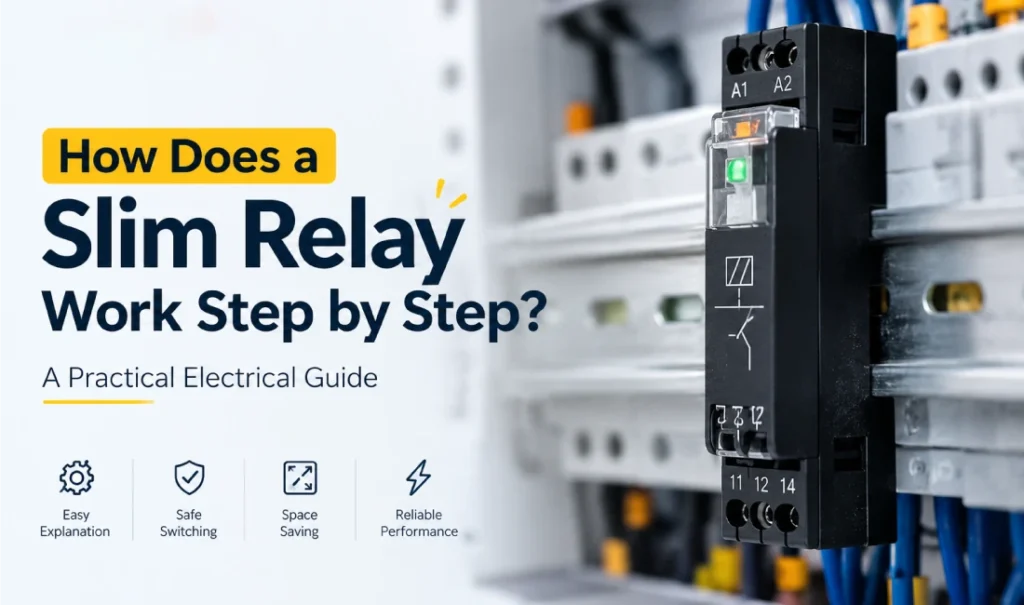
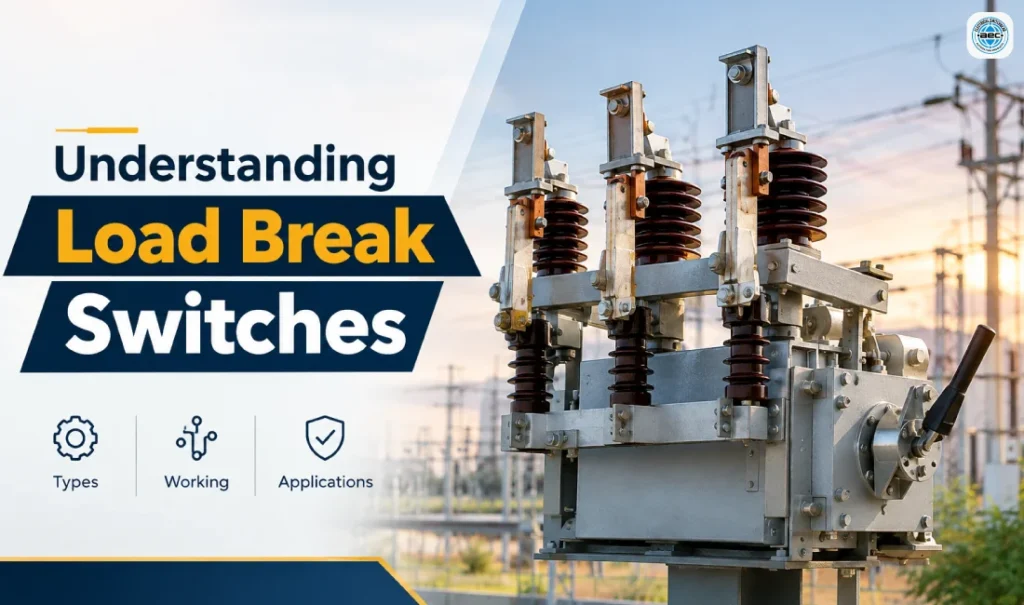
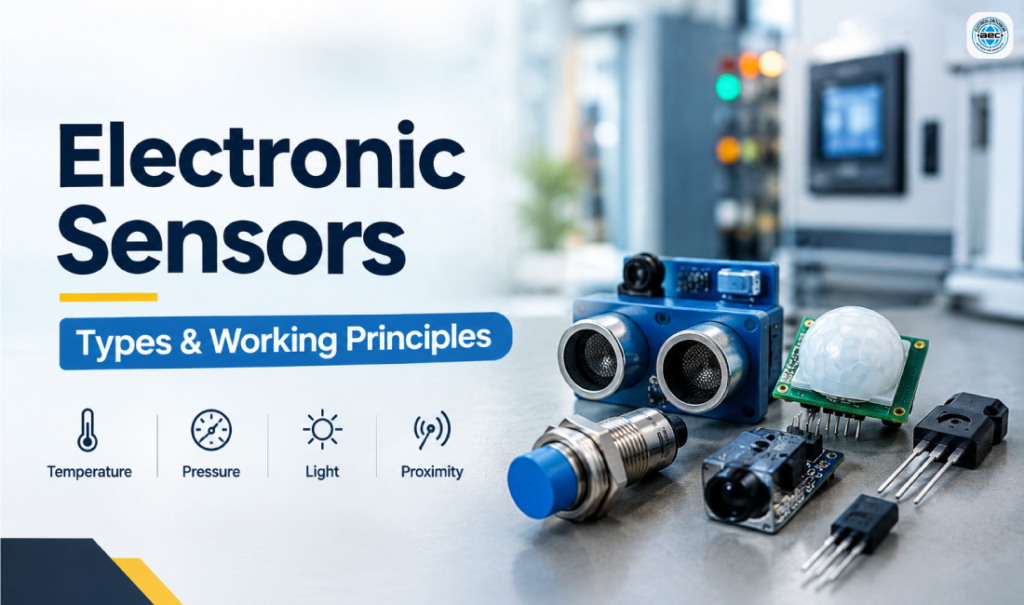
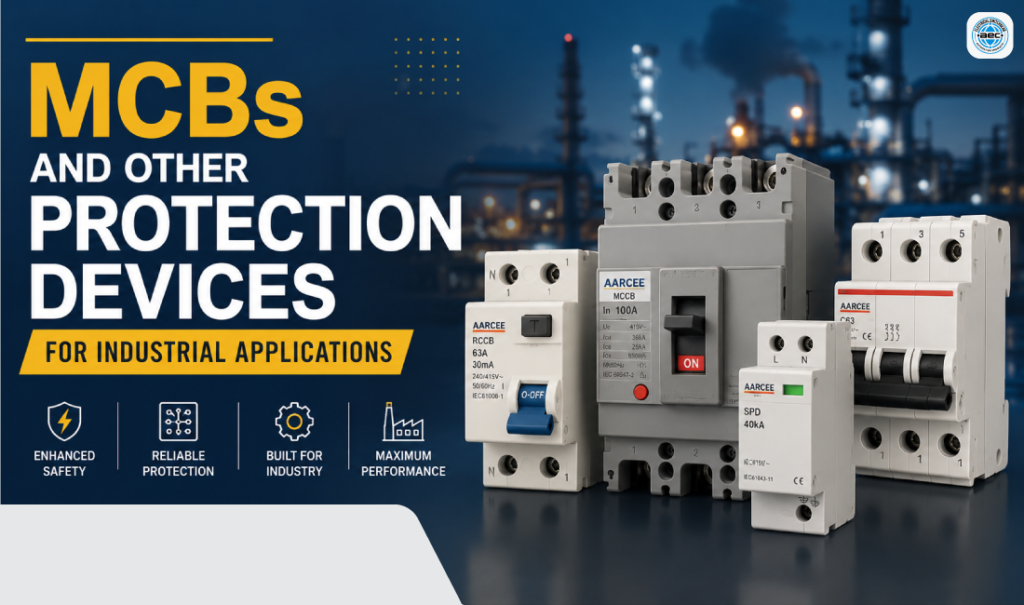
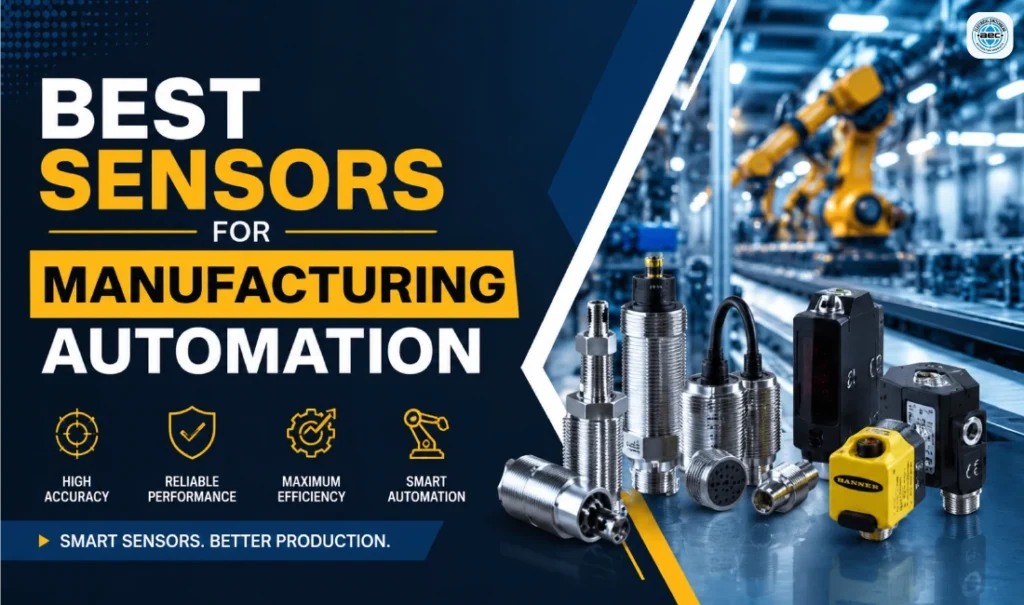
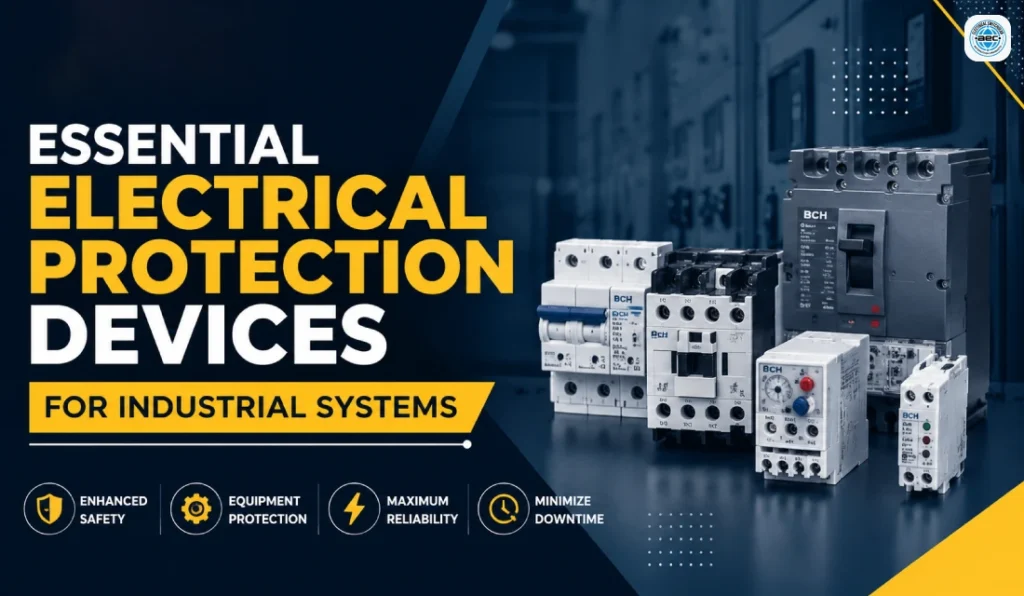
The most common Industrial Electrical Products can be understood by separating them into protection, switching, control, voltage conversion, sensing, and distribution functions. Circuit breakers are used to interrupt electrical circuits under specified abnormal conditions and are an important part of electrical protection. Their selection can depend on rated current, voltage, number of poles, breaking capacity, trip characteristics, and the electrical system in which they are installed. Industrial breakers may be used in main distribution systems, machine panels, motor circuits, and other electrical installations. They should not be selected simply because the current rating appears to match the connected equipment. Contactors are electrically operated switches commonly used to control motors and other higher-power loads. A contactor has a coil and contacts, and applying the appropriate control voltage to the coil operates the contacts. This allows a relatively small control circuit to command a higher-power electrical load. Motor-control arrangements often combine contactors with overload protection and circuit protection so that switching and protection functions are handled by suitable separate devices. Relays are another important category of Industrial Electrical Products. They are commonly used in control circuits for switching signals, providing isolation, creating interlocks, and interfacing different electrical circuits. A relay can receive a control signal and operate one or more contacts. While contactors and relays may appear similar, their intended applications and electrical ratings can be very different, so the manufacturer’s specifications should always be checked.Transformers are used when an electrical system requires a different voltage level. They can be used in power distribution, control circuits, isolation applications, and machine panels. A control transformer, for example, may provide the voltage required by a machine’s control circuit while the main power circuit operates at another voltage. Important transformer specifications include input voltage, output voltage, frequency, power or VA rating, phase configuration, insulation requirements, and installation conditions. Sensors and switches allow industrial machines to detect conditions and receive commands. Inductive proximity sensors can detect suitable metal targets without physical contact, while capacitive sensors can detect different types of materials depending on their construction and application. Limit switches can identify mechanical positions, while push buttons and selector switches can provide operator commands. The correct sensor depends on factors such as sensing distance, target material, output type, supply voltage, mounting, and environmental conditions. Other useful Industrial Electrical Products include overload relays, terminal blocks, industrial power supplies, motor protection devices, indicator lamps, control-panel accessories, and automation components. These products help connect the power, control, sensing, and protection functions required by industrial machinery. Aarcee Electrical can be explored by businesses looking for electrical products for industrial control, switching, protection, automation, and related applications.
Industrial Electrical Products in Control Panels and Automation
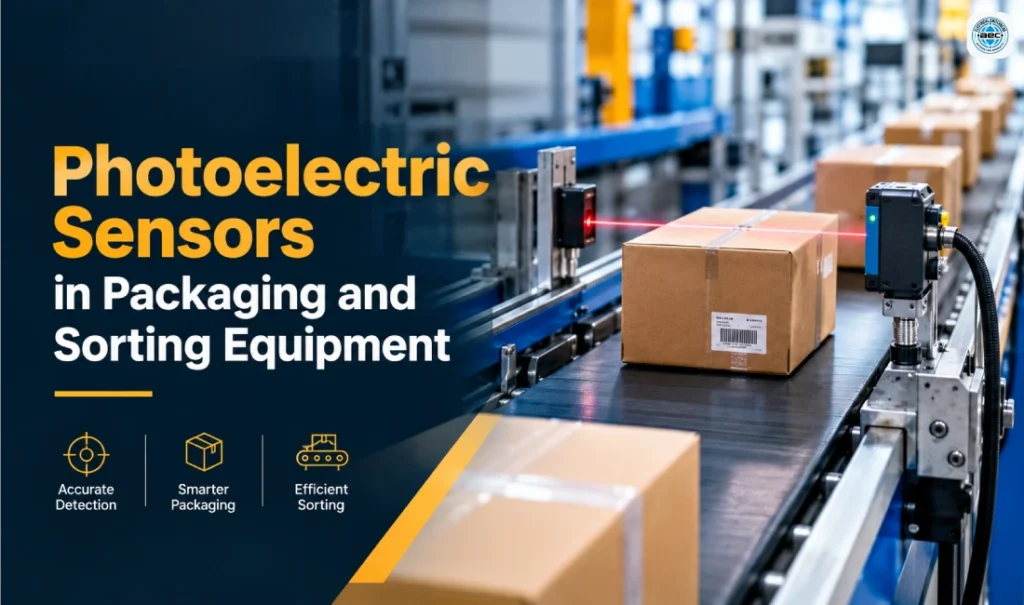
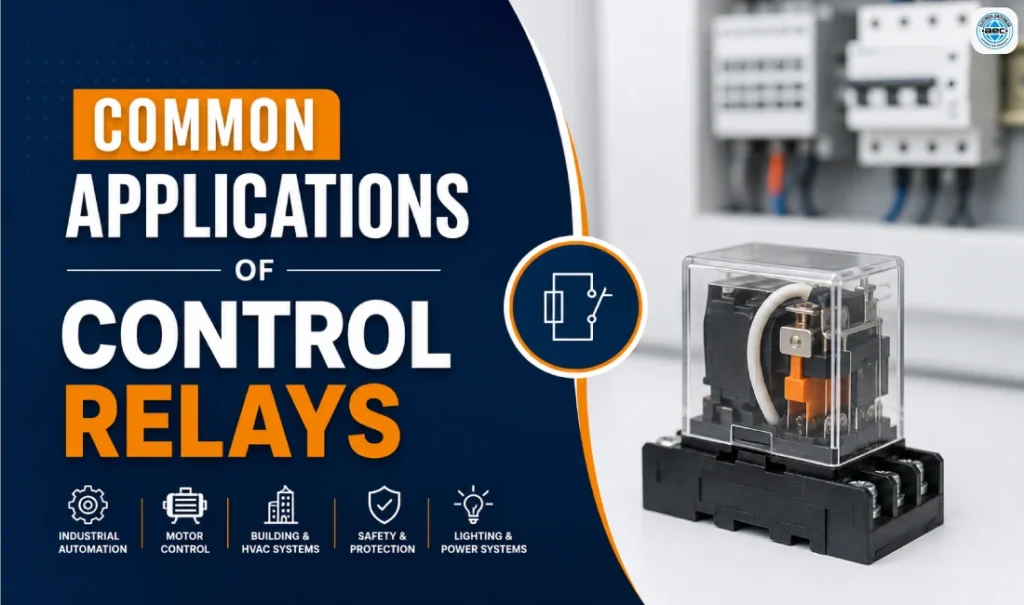
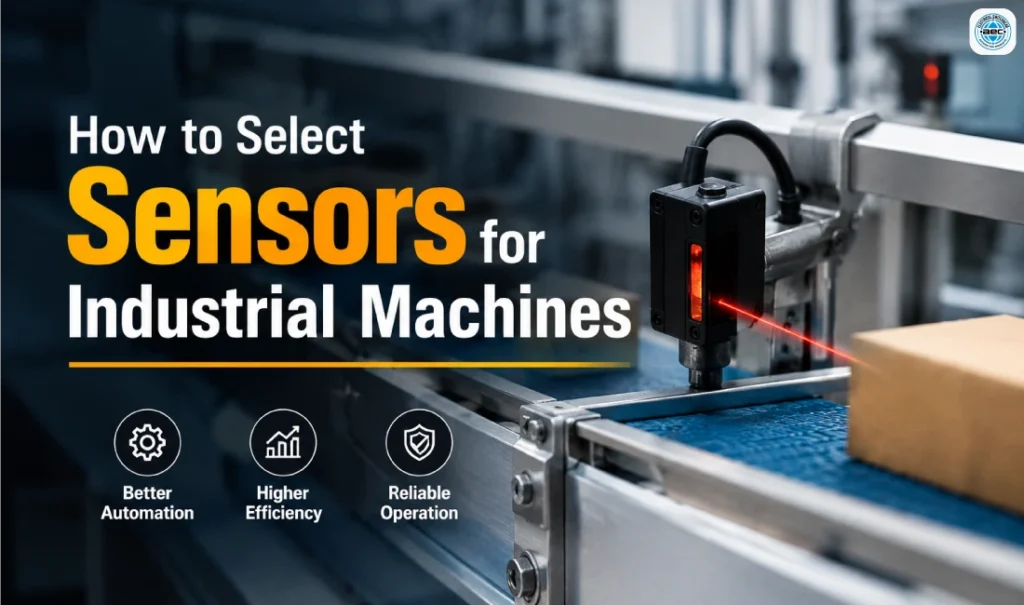
Industrial control panels provide one of the best examples of how Industrial Electrical Products work together. A panel may contain a main protective device, circuit breakers, contactors, overload relays, control relays, transformers or power supplies, terminal blocks, sensors interfaces, programmable controllers, drives, switches, and indication devices. The exact arrangement depends on the machine’s electrical design, power requirements, automation level, and control strategy. A well-designed panel organizes these components so that power distribution, control, protection, and field connections can be maintained efficiently. A typical motor-control circuit illustrates how several products interact. Electrical power passes through suitable protection and switching equipment before reaching the motor. A control circuit can operate the contactor coil, while an overload device provides protection against specified motor overload conditions. Push buttons or an automated controller can provide the start and stop commands. Auxiliary contacts may provide status or holding functions within the control circuit. Sensors add another level of automation. Consider a conveyor transporting components through a production line. A sensor can detect when a component reaches a particular position and send an electrical signal to the control system. The controller can then stop the conveyor, activate another machine, or permit the next production step. This process can repeat continuously without requiring an operator to manually monitor every movement. Modern industrial automation can also include programmable logic controllers, variable frequency drives, human-machine interfaces, electronic power supplies, and communication equipment. These technologies provide more advanced control and monitoring, but they still depend on basic electrical components for power distribution, protection, switching, and field connections. Control-panel design must also consider physical installation requirements. Component spacing, heat generation, ventilation, cable routing, terminal identification, enclosure protection, accessibility, and maintenance requirements can all affect the final design. Industrial environments may expose equipment to dust, moisture, vibration, heat, oil, or chemicals, making environmental specifications important. For businesses installing or maintaining control panels, selecting suitable Industrial Electrical Products is essential for system performance and maintenance. Aarcee Electrical can be considered when researching industrial electrical components for control, switching, protection, and automation requirements. Final system design and installation should always be handled by appropriately qualified professionals.
How to Choose the Right Industrial Electrical Products
Choosing the correct Industrial Electrical Products starts with identifying exactly what the component needs to do. A business may require a product for motor control, circuit protection, power distribution, sensing, switching, voltage transformation, or automation. Once the function is known, the relevant technical specifications can be compared with the requirements of the machine or electrical system. This approach is much more reliable than selecting products based only on price, appearance, or a familiar product name. Electrical ratings are among the first details to check. Depending on the product, these can include rated voltage, operating current, frequency, phase configuration, breaking capacity, contact rating, insulation rating, coil voltage, and short-circuit characteristics. For motor-control equipment, the motor’s operating conditions and switching requirements are particularly important. A product must be rated for the actual application rather than simply having a similar-looking specification. Environmental conditions should also be considered. Equipment installed inside a clean control room may face different conditions from components installed near a production machine. Dust, moisture, temperature, vibration, oil, chemicals, and mechanical impact can influence the required product construction and protection level. The manufacturer’s environmental and enclosure specifications should be checked before selection. Physical compatibility matters as well. Panel-mounted products must fit the available space and use an appropriate mounting arrangement. Terminal configuration, cable size, connection method, and accessibility can affect installation. For sensors, the mounting position and sensing distance must suit the machine’s physical design. Control-system compatibility is particularly important for automation components. Sensor output types, controller inputs, supply voltage, communication interfaces, and switching characteristics should be compatible with the equipment already installed. Using incompatible products can result in false signals, unreliable operation, or machine faults. Businesses should also consider future maintenance when purchasing Industrial Electrical Products. Recording model numbers, ratings, datasheets, and installation details makes future replacement easier. For critical equipment, keeping suitable replacement components or identifying an approved replacement model can reduce downtime when a failure occurs. Aarcee Electrical can be a useful source for businesses researching industrial electrical products and solutions. Customers can explore the available product range and compare their requirements with product specifications. For complex electrical installations, final selection should be reviewed by a qualified electrical engineer or competent professional.
Aarcee Electrical for Industrial Electrical Products
For businesses looking for Industrial Electrical Products, choosing a dependable supplier is an important part of the purchasing process. Aarcee Electrical provides electrical products and solutions for industrial and electrical applications, making it a relevant platform for businesses researching components for machinery, control systems, automation, switching, and protection requirements. The right supplier can make it easier to identify products based on technical requirements rather than simply choosing an item from a general electrical catalogue. A professional product-selection process begins with accurate information. Businesses should know the required voltage, current, application, load type, control voltage, installation environment, and quantity wherever possible. Providing these details makes it easier to identify products that match the intended application and reduces the possibility of ordering an unsuitable component. Aarcee Electrical can also be useful when businesses need products for maintenance and replacement. Industrial machines may require replacement breakers, contactors, relays, sensors, switches, or other electrical components during their operating life. Having the original model number and technical specifications available can make replacement faster and more accurate. For new installations, electrical products should be considered as part of the complete system. A circuit breaker must coordinate with the electrical installation, a contactor must suit its load and control circuit, a sensor must communicate correctly with its receiving device, and a transformer must provide the required voltage and capacity. Product selection is therefore most effective when it is based on the complete application rather than individual components. Businesses can explore Aarcee Electrical for industrial electrical products and related electrical requirements through its official website. Before installation, product ratings, technical documentation, and applicable requirements should be verified by the responsible professional.
Conclusion
Understanding Industrial Electrical Products becomes much simpler when their individual functions are connected to the larger electrical system. Circuit breakers provide protection, contactors control electrical loads, relays manage control signals, transformers change voltage levels, and sensors provide information to automation systems. These components can be combined inside control panels and machinery to provide power distribution, machine control, protection, monitoring, and automation. The most important lesson for beginners is that electrical products should never be selected by appearance or price alone. Voltage, current, load characteristics, control requirements, environmental conditions, installation method, product ratings, and compatibility all need to be considered. Correct selection followed by professional installation, testing, and maintenance contributes to reliable industrial operation. For businesses searching for Industrial Electrical Products, Aarcee Electrical offers a useful platform for exploring electrical products and solutions for industrial requirements. Whether the need involves machine control, switching, protection, sensing, automation, or other electrical applications, understanding the technical requirement is the first step toward finding the appropriate product. As industrial automation continues to develop, the importance of dependable electrical components remains strong. Modern factories may use advanced controllers and connected machinery, but they still depend on correctly selected electrical protection, switching, sensing, power distribution, and control equipment. A solid understanding of these fundamentals gives beginners a practical foundation for learning more advanced industrial electrical and automation systems.
FAQs
Have questions? We’ve answered some of the most common queries to help you understand the topic better.
Q1. What are Industrial Electrical Products?
Industrial Electrical Products are components used to distribute, protect, switch, control, monitor, and automate electrical systems. Common examples include circuit breakers, contactors, relays, transformers, sensors, switches, overload protection devices, and control-panel components.
Q2. Which Industrial Electrical Products are commonly used in factories?
Factories commonly use circuit breakers, contactors, overload relays, control relays, transformers, proximity sensors, switches, terminal blocks, power supplies, motor-control equipment, and automation components.
Q3. What is the difference between a contactor and a relay?
A contactor is commonly used to switch higher-power loads such as motors, while relays are frequently used for control, signalling, isolation, and lower-power switching. The actual application must be confirmed from the product’s ratings.
Q4. How should I select an industrial electrical component?
Identify the application first, then check voltage, current, frequency, load type, control voltage, ratings, environmental conditions, mounting requirements, and compatibility with the existing system.
Q5. Why are sensors important in industrial automation?
Sensors detect physical conditions such as object presence, position, movement, or other measurable conditions and provide signals to control systems. They allow automated machines to respond to real-world events.