Best Sensors for Manufacturing Automation


Manufacturing automation depends on accurate information from machines, equipment, and production processes. Sensors for Manufacturing Automation provide this information by detecting objects, measuring temperature and pressure, monitoring machine conditions, and identifying changes during production. From a small automated machine to a large-scale smart factory, sensors help PLCs, controllers, robots, and industrial systems make accurate decisions in real time. The right sensor can improve production speed, product quality, machine reliability, and workplace safety while reducing manual intervention and unexpected downtime. Different applications require different sensing technologies, so manufacturers need to consider the material being detected, sensing range, accuracy, response time, operating environment, and electrical compatibility before selecting a product. In this guide, we will cover the most important industrial sensor types, their manufacturing applications, key selection factors, and how quality automation components can support reliable production systems.
Why Sensors Are Important for Manufacturing Automation
Sensors are often considered the eyes and ears of an automated machine because they continuously provide information about what is happening in the production environment. A PLC or controller cannot make a reliable decision unless it receives accurate feedback from the machine, product, or process. Sensors for Manufacturing Automation solve this problem by converting physical conditions into electrical or digital signals that automation equipment can understand. For example, a proximity sensor can confirm that a component has reached the correct position, while a temperature sensor can tell a controller whether a heating process is operating within its required range. Similarly, pressure sensors can monitor pneumatic equipment, vision sensors can inspect products, and vibration sensors can provide information about rotating machinery. Using sensors correctly can improve production consistency because automated equipment can respond to real-time conditions instead of relying entirely on manual inspection. Sensors can also help identify abnormal conditions before they cause serious equipment problems or production interruptions. Their importance becomes even greater in modern Industry 4.0 environments, where sensor data can be collected, analyzed, and used for predictive maintenance, production monitoring, quality improvement, and machine optimization.
Top Sensors for Manufacturing Automation
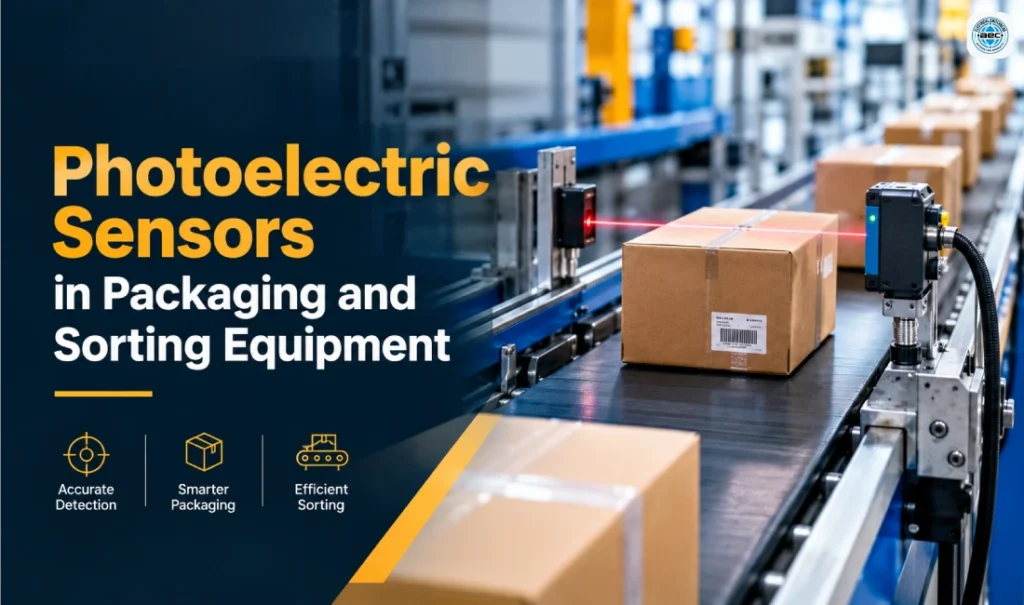
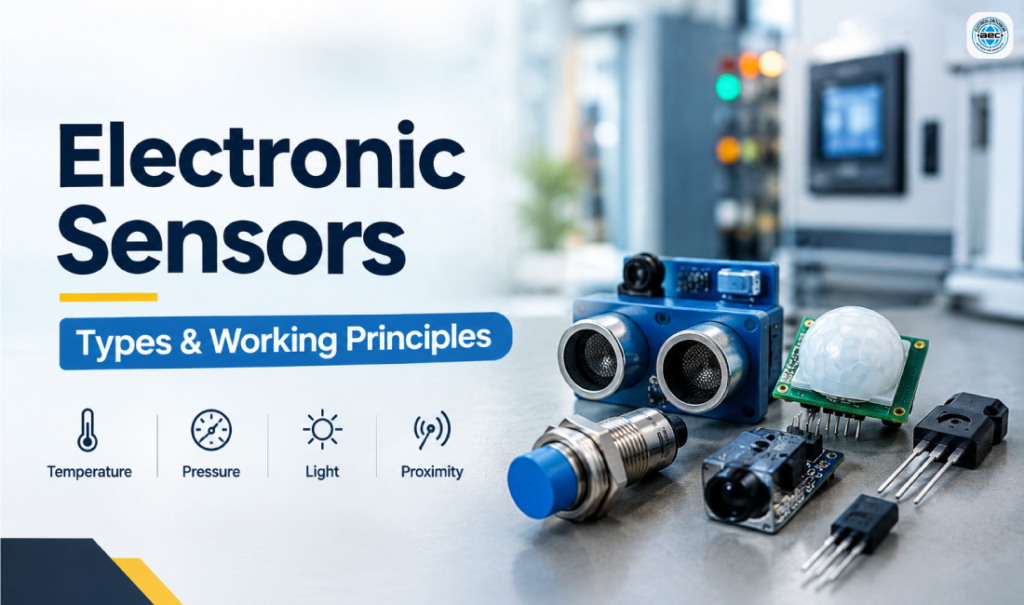
There is no single sensor that works best for every manufacturing application. Different production processes require different types of detection and measurement, which is why modern automated machines often combine several sensor technologies. The most commonly used Sensors for Manufacturing Automation include proximity, photoelectric, temperature, pressure, vision, vibration, level, and flow sensors. Proximity sensors are widely used for non-contact object detection and machine positioning. Inductive sensors are especially suitable for metal components, while capacitive sensors can detect certain non-metallic materials. Photoelectric sensors are useful for detecting objects over longer distances and are commonly found on conveyors, packaging machines, and automated material-handling systems. Temperature sensors are used wherever heat needs to be monitored or controlled. They are common in ovens, furnaces, motors, cooling systems, process equipment, and industrial machinery. Thermocouples and RTDs are popular technologies for industrial temperature measurement. Pressure sensors monitor gases and liquids in pneumatic, hydraulic, and process-control systems. They can help detect abnormal pressure, support machine control, and protect equipment from operating outside its required conditions. Vision sensors are used for automated inspection, component verification, product positioning, barcode reading, packaging inspection, and defect detection. They are particularly useful when a manufacturing process requires visual quality checks at high speed. Vibration sensors are valuable for machine-condition monitoring and predictive maintenance. They can monitor motors, pumps, fans, gearboxes, bearings, and other rotating equipment, helping maintenance teams identify unusual machine behavior before it develops into a major failure. Level and flow sensors are also important in process industries where liquids, gases, powders, or other materials must be continuously monitored.
Proximity Sensors for Industrial Object Detection
Proximity sensors are among the most popular Sensors for Manufacturing Automation because they can detect an object without physical contact. This makes them suitable for applications where mechanical switches may experience wear due to repeated movement. They are widely used in assembly machines, conveyors, packaging systems, machine tools, robotics, material handling, and automated production equipment. Inductive proximity sensors are particularly effective for detecting metal objects. They can confirm the presence or position of metal components, detect machine movement, count parts, and provide position feedback to PLC-controlled systems. Capacitive sensors can detect a broader range of materials, including some plastics, liquids, powders, and non-metallic components. Aarcee Electrical Controls offers industrial automation products including Omron proximity sensors. One example listed on its website is the Omron E2B-M30LN20-WP-C1 2M proximity sensor, which can be considered for suitable non-contact industrial detection applications. When choosing a proximity sensor, manufacturers should consider the target material, sensing distance, installation position, switching frequency, environmental conditions, and required output. Selecting the correct sensor for the actual application helps reduce false detection and improves machine reliability.
Temperature, Pressure and Process Sensors
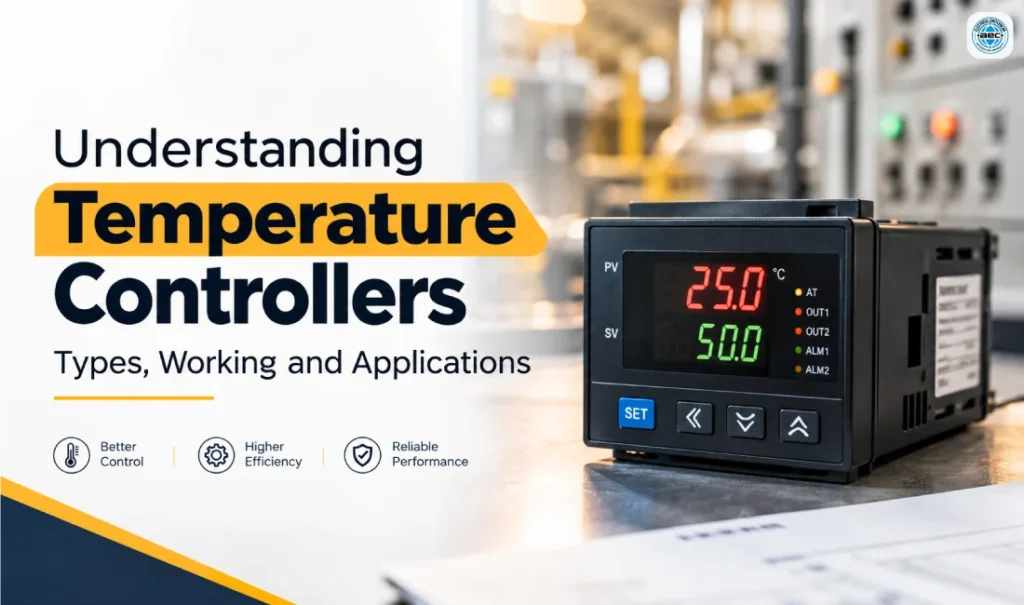
Temperature and pressure measurements are essential in manufacturing processes where operating conditions directly affect equipment performance or product quality. Temperature Sensors for Manufacturing Automation can monitor heating and cooling processes, motors, ovens, furnaces, tanks, machinery, and other equipment where maintaining a controlled temperature is important. Thermocouples are widely used for industrial temperature measurement, particularly where broad temperature ranges and fast response are required. RTDs are often selected where stable and accurate temperature measurement is more important. The correct choice depends on the required temperature range, accuracy, response time, installation method, and environment. Pressure sensors perform a similar monitoring function for pneumatic, hydraulic, and fluid-based systems. Manufacturing machines often rely on compressed air for cylinders, grippers, valves, and actuators, while hydraulic equipment uses pressurized fluid to generate movement and force. A pressure sensor can provide feedback when pressure is too low, too high, or outside the desired operating range. This information can be sent to a PLC or controller so the system can generate an alarm, stop a process, or take another programmed action. Together, temperature and pressure sensors provide valuable process information that helps manufacturers maintain stable and predictable operating conditions.
Vision and Vibration Sensors for Quality and Maintenance
Modern manufacturing requires more than simple object detection. Production systems increasingly need to inspect products and monitor machine health automatically. Vision and vibration sensors address these requirements by providing information that conventional detection sensors cannot provide. Vision sensors use cameras and processing technology to inspect products, identify components, check orientation, verify assembly, read codes, inspect labels, and detect visible defects. They can reduce dependence on manual inspection and provide consistent checks throughout high-speed production. Vibration sensors focus on the condition of machinery rather than the product itself. Motors, pumps, compressors, fans, gearboxes, and bearings produce vibration during operation, and changes in those vibration patterns can sometimes indicate developing mechanical problems. By monitoring vibration continuously, maintenance teams can identify unusual conditions and investigate them before equipment failure causes extended production downtime. This approach supports predictive maintenance and can help manufacturers move away from relying only on fixed maintenance schedules. When combined with temperature, pressure, current, and other machine data, vibration monitoring can provide a more complete picture of equipment health.
How to Choose the Right Industrial Sensor
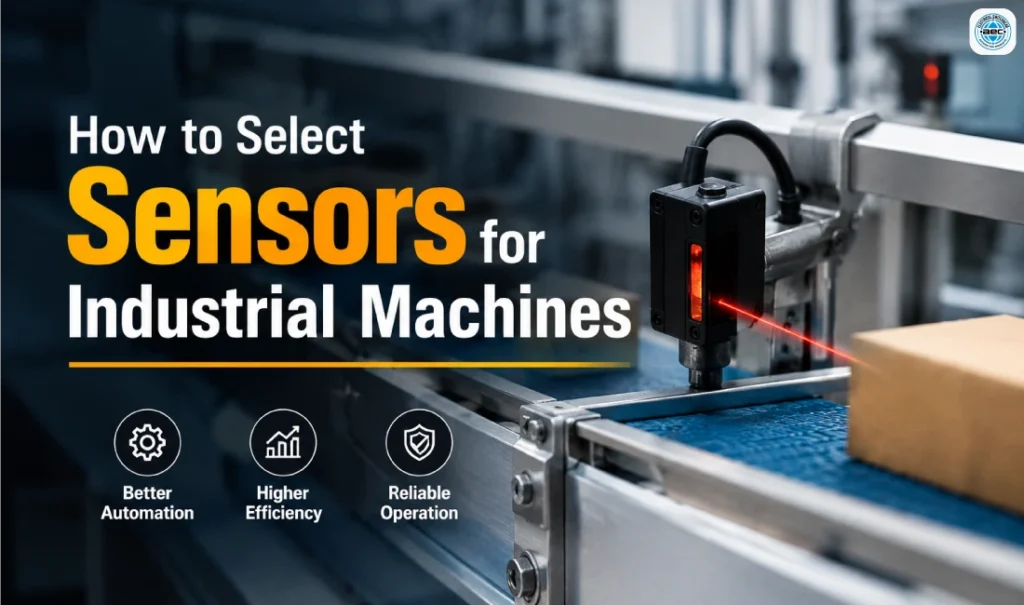
Choosing the best Sensors for Manufacturing Automation should always start with the application. A sensor that works perfectly on one production line may not be suitable for another because the target material, environment, speed, and measurement requirements can be completely different. The first consideration is what needs to be detected or measured. Manufacturers should identify whether the application involves metal objects, plastic parts, liquids, temperature, pressure, vibration, distance, flow, level, or visual characteristics. Next, evaluate the operating environment. Industrial sensors may be exposed to dust, oil, water, chemicals, heat, vibration, or frequent cleaning. The sensor should have suitable construction and protection for these conditions. Detection range, accuracy, repeatability, and response time are also important. High-speed machines may require fast-response sensors, while process-control applications may prioritize measurement accuracy and stability. Electrical compatibility should also be checked. The sensor output must work correctly with the PLC, controller, relay, safety system, or automation network used by the machine. Finally, consider mounting space, connector type, IP rating, maintenance requirements, replacement availability, and total cost of ownership. A reliable sensor that lasts longer and reduces downtime can be more economical than a cheaper product that requires frequent replacement.
Sensors in Smart Manufacturing and Industry 4.0
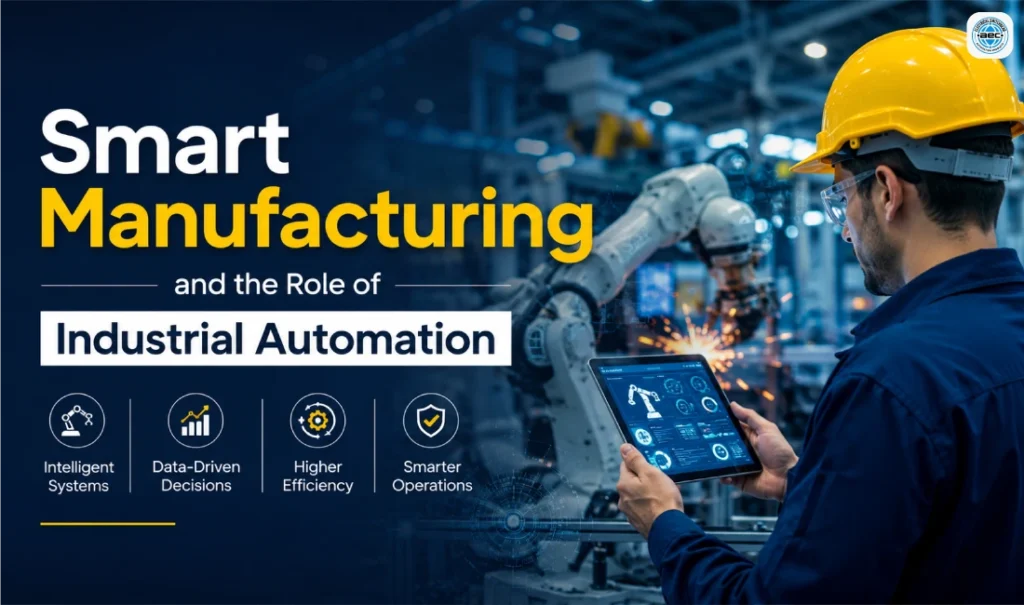
The role of Sensors for Manufacturing Automation is becoming more important as factories adopt Industry 4.0, smart manufacturing, and Industrial Internet of Things technologies. Earlier automation systems often used sensors mainly for simple ON/OFF detection, but modern sensing technologies can provide much more information. Smart sensors and digital communication technologies can provide process data, diagnostics, parameter information, and equipment-status information to connected automation systems. This information can then be used for production monitoring, predictive maintenance, quality management, machine optimization, and remote diagnostics. For example, a manufacturing plant can monitor vibration and temperature from a motor and identify unusual changes before the motor experiences a serious failure. Similarly, production data from multiple sensors can help engineers identify process variations and improve machine performance. This makes sensors an important foundation for connected factories. Even advanced analytics and automation platforms depend on accurate data from the physical manufacturing environment. As factories continue becoming more connected, manufacturers will increasingly require sensors that are reliable, easy to integrate, and capable of providing useful information to modern control systems.
Why Choose Aarcee Electrical Controls for Industrial Automation Products?
Selecting the right sensor is only one part of building a dependable automation system. Manufacturers also need access to genuine industrial components that match their electrical, control, and automation requirements. Aarcee Electrical Controls provides industrial electrical, control gear, and automation products for manufacturers, OEMs, automation integrators, and other industrial customers. Aarcee Electrical Controls has been operating since 2006 and offers products from established industrial brands. Its listed brands include Omron Automation, BCH Electric, Rishabh Instruments, Salzer Electronics, and Socomec, covering various industrial electrical and automation requirements. For businesses searching for industrial sensors, automation components, control products, and electrical equipment, Aarcee Electrical Controls can provide a convenient source for relevant products. Its online product catalogue also makes it easier to review available components before making a purchasing decision. For example, the company lists the Omron E2B-M30LN20-WP-C1 2M proximity sensor for industrial detection requirements. Customers should always check the detailed technical specifications and confirm compatibility with their machine before ordering. To explore industrial automation and electrical products, visit Aarcee Electrical Controls and review the available product range for your manufacturing requirements.
Conclusion
Sensors for Manufacturing Automation are essential for creating reliable, efficient, and responsive industrial systems. Proximity sensors help machines detect objects and positions, temperature sensors monitor thermal conditions, pressure sensors provide feedback from pneumatic and hydraulic systems, vision sensors support automated inspection, and vibration sensors help monitor machine health. The best sensor depends on the actual application rather than simply the sensor type or price. Manufacturers should consider detection requirements, sensing range, accuracy, response time, environmental conditions, protection rating, electrical output, installation method, and compatibility with the automation system. As manufacturing moves toward Industry 4.0 and smart factories, sensor data will become increasingly valuable for predictive maintenance, quality control, process optimization, and real-time production monitoring. For manufacturers, OEMs, automation integrators, and maintenance teams looking for industrial electrical and automation components, Aarcee Electrical Controls offers a range of products from established industrial brands. Choosing the right sensing technology and sourcing suitable industrial components can help manufacturers build automation systems that are more reliable, efficient, and prepared for future production requirements.
FAQs
Have questions? We’ve answered some of the most common queries to help you understand the topic better.
Q1. What are the best Sensors for Manufacturing Automation?
Proximity, photoelectric, temperature, pressure, vision, vibration, level, and flow sensors are among the most widely used options. The best choice depends on the specific machine and manufacturing process.
Q2. Which sensor is best for detecting metal objects?
Inductive proximity sensors are commonly used for detecting metal objects without physical contact and are widely used in industrial automation applications.
Q3. Why are sensors important in automated manufacturing?
Sensors provide real-time information to PLCs, controllers, robots, and other systems, allowing machines to detect conditions and respond automatically.
Q4. Can sensors help reduce machine downtime?
Yes. Condition-monitoring sensors such as vibration and temperature sensors can identify unusual operating conditions and support predictive maintenance.
Q5. How do I select an industrial sensor?
Consider the target material or measurement, sensing range, accuracy, response time, operating environment, IP rating, output type, installation requirements, and compatibility with your automation system.