Power Distribution Solutions for Manufacturing Plants

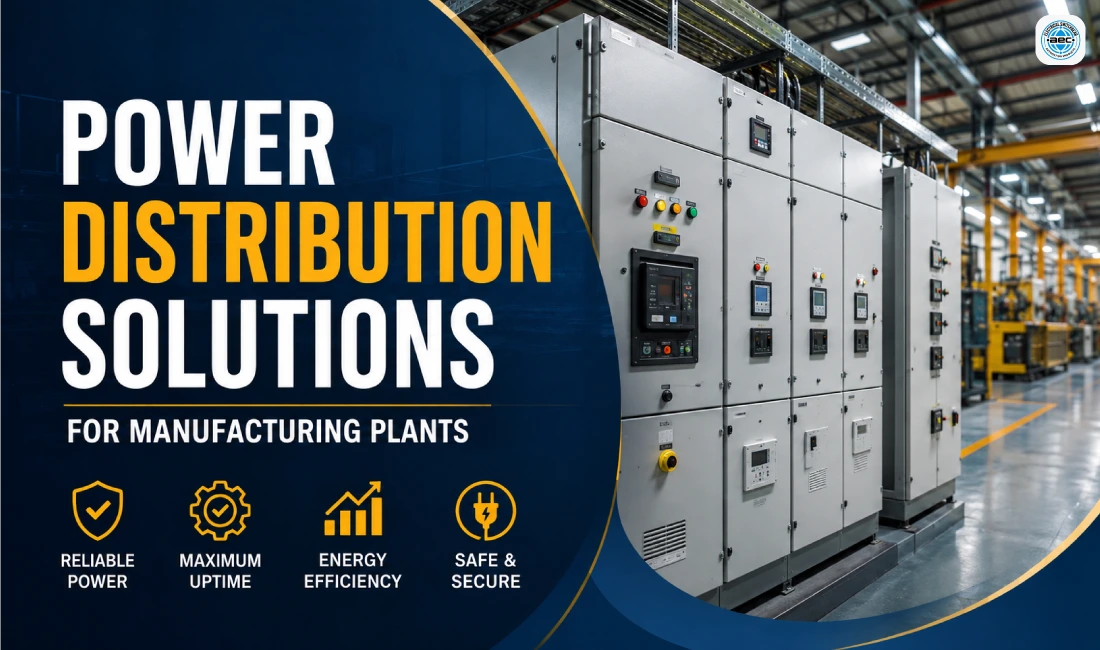
Manufacturing plants depend on reliable electricity to operate production machinery, motors, automation systems, pumps, compressors, HVAC equipment, lighting, and critical support systems. Power Distribution Solutions provide the electrical infrastructure needed to receive incoming power, control and protect it, and distribute it safely to different plant loads. A well-designed system can reduce unplanned downtime, protect costly equipment, improve electrical safety, and support future expansion. Modern industrial facilities also need to consider automation, power quality, energy monitoring, and backup power when planning their electrical network. From switchgear and transformers to MCCs, circuit breakers, industrial power supplies, and monitoring equipment, each component contributes to overall plant reliability. For manufacturers, selecting the right electrical distribution equipment is therefore an important investment in production continuity and long-term operational performance.
What Are Power Distribution Solutions?
Power Distribution Solutions are integrated electrical systems designed to distribute electricity from an incoming utility or generating source to different loads throughout a manufacturing facility. Depending on plant size and electrical requirements, the system may include transformers, switchgear, Power Control Centres (PCC), Motor Control Centres (MCC), distribution panels, busbars, circuit breakers, contactors, overload relays, meters, control power supplies, and protection devices. Incoming electrical power is divided into appropriate feeders so that production machinery, motors, automation panels, lighting, HVAC, pumps, compressors, and other equipment receive suitable power. The distribution network must be designed according to connected load, maximum demand, voltage level, fault current, motor starting requirements, cable capacity, and expected future expansion. Proper protection and coordination are also essential so that an electrical fault can be isolated without unnecessarily shutting down unaffected parts of the plant. In this way, industrial electrical distribution becomes the foundation for safe, stable, and efficient manufacturing operations.
Key Components of an Industrial Power Distribution System
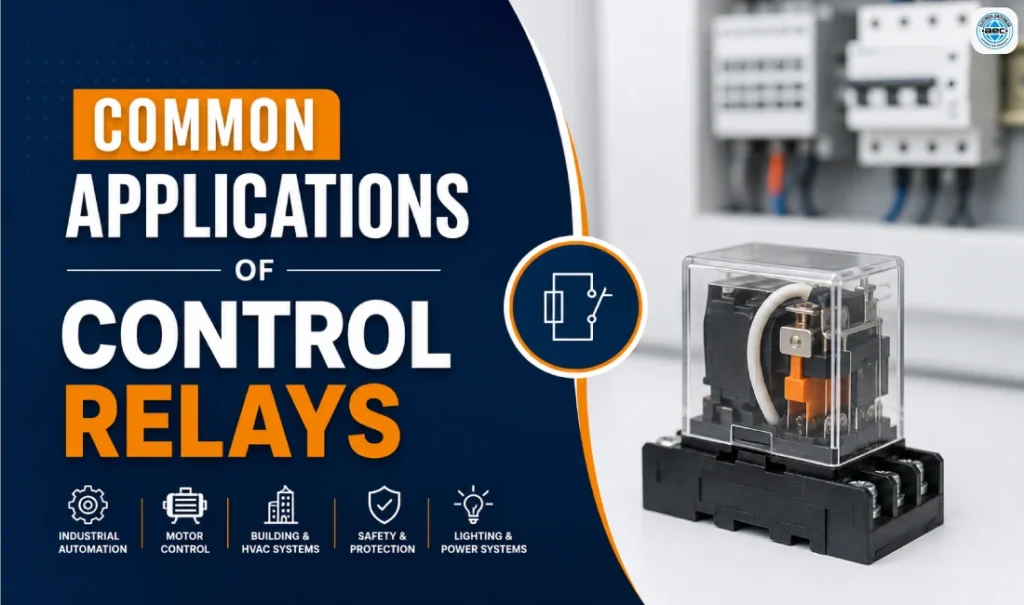
A manufacturing plant requires several electrical components working together to create a dependable distribution network. Transformers are used to change incoming voltage to levels suitable for downstream equipment, while switchgear provides switching, isolation, and protection during normal and fault conditions. PCC panels distribute power to major sections of the facility, whereas MCC panels are commonly used to control and protect multiple motors used in conveyors, pumps, compressors, fans, mixers, and production machinery. Busbar systems and distribution boards divide electrical power among individual feeders, while ACBs, MCCBs, MCBs, contactors, and overload relays provide different levels of circuit protection and control. Industrial meters can help monitor electrical parameters and energy consumption, while control power supplies support PLCs, sensors, relays, HMIs, and other automation devices. Selecting these components requires consideration of electrical ratings, breaking capacity, environmental conditions, installation requirements, and compatibility. Aarcee Electrical Controls supplies industrial electrical, control gear, and automation products from established brands including BCH Electric, KEI Industries, Omron Automation, Rishabh Instruments, Salzer Electronics, and Socomec. (Aarcee Electrical Controls)
Why Reliable Power Distribution Matters in Manufacturing
An electrical fault in a manufacturing plant can affect far more than a single machine. Production lines may stop, automated processes can be interrupted, raw materials may be wasted, and restarting complex machinery can take considerable time. Reliable Power Distribution Solutions help reduce these risks by providing correctly sized feeders, suitable protection, proper isolation, and coordinated electrical equipment. Protection devices can disconnect faulty circuits while allowing other sections of the plant to continue operating where the system design permits. This is particularly important in facilities using CNC machines, PLC-based systems, robotics, variable frequency drives, industrial controllers, and other sensitive equipment. The distribution system should also accommodate motor starting currents and changing production loads without creating unnecessary voltage problems. Regular inspection, testing, tightening of connections, thermal checks, and preventive maintenance further improve system reliability. A properly engineered electrical distribution network ultimately supports production continuity, equipment protection, maintenance efficiency, and workplace safety.
Power Distribution and Industrial Automation
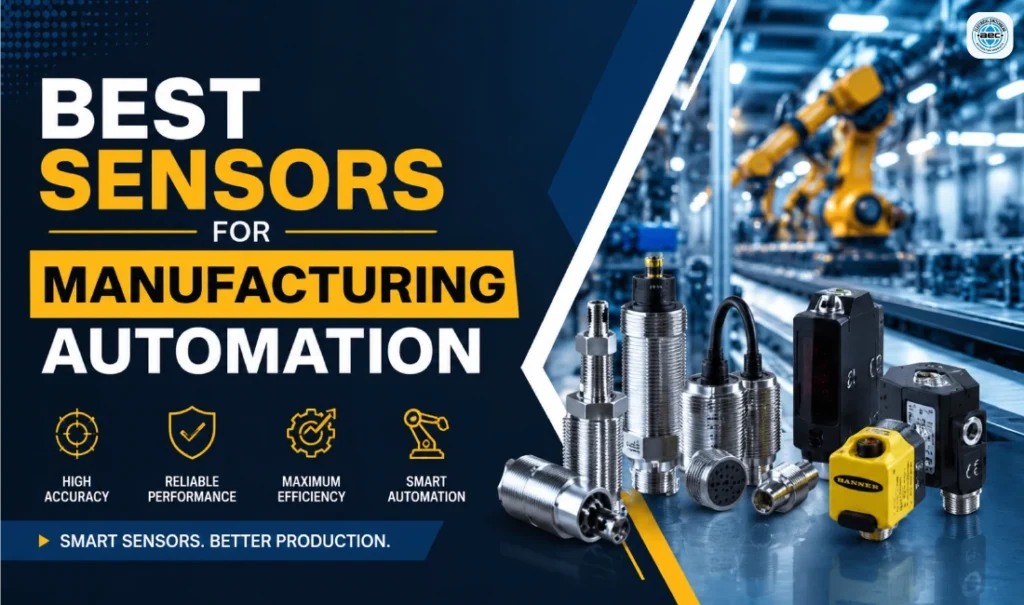
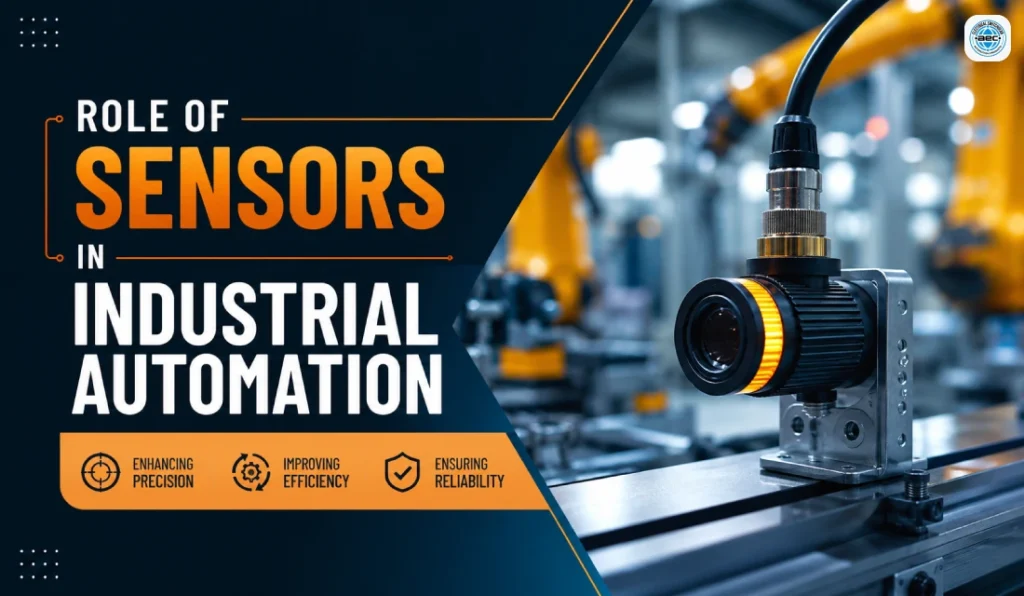
Modern factories increasingly combine electrical distribution with automation, making dependable control power an important part of plant reliability. PLCs, HMIs, sensors, relays, communication equipment, and industrial controllers require stable DC power, and a failure in the control supply can stop an otherwise healthy machine. For suitable control-panel applications, Aarcee Electrical Controls offers Omron S8VK-C Series SMPS products, including S8VK-C06024, S8VK-C12024, S8VK-C24024, and S8VK-C48024 models listed in its online catalogue. These industrial switching power supplies can support applications where dependable DC control power is required. (Omron S8VK-C Series SMPS) Aarcee also lists Omron proximity sensors that can be used for suitable machine-detection and automation applications. (Omron Proximity Sensor) When power distribution, control panels, sensors, and automation components are planned together, manufacturers can create a more dependable electrical environment for automated production. This integrated approach can also make troubleshooting easier because electrical and control requirements are considered during the initial system design rather than being added later.
Improving Energy Efficiency and Electrical Performance
Energy efficiency should be considered when designing or upgrading Power Distribution Solutions, particularly in facilities operating large motors, compressors, pumps, transformers, and other high-load equipment for extended periods. Electrical losses can occur through cables, transformers, connections, and inefficient equipment, while poor power factor can increase current requirements in systems with substantial inductive loads. Manufacturers can evaluate load patterns, maintain electrical connections, balance loads, select suitable equipment, and monitor energy consumption to identify opportunities for improvement. Power factor correction may be appropriate for some facilities, but the actual load characteristics and harmonic conditions should be assessed before installing correction equipment. Energy meters and electrical monitoring devices can provide useful information about consumption and operating trends. Monitoring also helps plant teams understand which areas are consuming the most electricity and whether unusual changes need investigation. Energy efficiency should therefore be approached as a combination of appropriate equipment selection, electrical design, monitoring, maintenance, and operational discipline rather than as a single equipment purchase.
Choosing the Right Power Distribution Solutions
Selecting the right Power Distribution Solutions starts with a detailed assessment of the manufacturing plant’s electrical requirements. Engineers should consider connected load, maximum demand, transformer capacity, motor ratings, starting currents, voltage levels, fault current, cable lengths, voltage drop, power factor, harmonics, environmental conditions, and critical production loads. Future expansion is equally important because a system designed only for current machinery may become inadequate when new production lines or additional motors are installed. Protection coordination should ensure that breakers and other protective devices work together correctly so that faults can be isolated with minimum disruption. For automation-heavy plants, control power requirements should be included in the overall design along with the main distribution system. Product quality, manufacturer specifications, technical support, availability, certifications, and compatibility should also be considered during procurement. Aarcee Electrical Controls can be a useful sourcing partner for industrial electrical and automation requirements, with products from established brands and an online catalogue that allows businesses to review different product categories before making purchasing decisions. (Aarcee Electrical Controls)
Power Distribution for New Plants and Existing Facilities
New manufacturing facilities have the advantage of being designed around their expected electrical requirements from the beginning, allowing engineers to plan transformer capacity, PCCs, MCCs, cable routes, equipment locations, backup power, automation panels, and future expansion space together. Existing plants require a more detailed evaluation because additional machinery often has to be connected without disrupting current production. Before upgrading an existing system, plant teams should assess transformer loading, panel capacity, feeder ratings, cable conditions, protection settings, voltage quality, and available fault capacity. Load measurements can help determine whether existing infrastructure has sufficient spare capacity or whether new feeders, panels, transformers, or distribution sections are required. Expansion planning should also consider the physical space available for future electrical equipment and maintenance access. In some facilities, a phased electrical upgrade may be more practical because it allows improvements to be implemented without unnecessary production interruptions. Whether the facility is new or undergoing modernization, the objective should be a safe, scalable, maintainable, and reliable electrical distribution network that can support present and future manufacturing requirements.
Aarcee Electrical Controls for Industrial Electrical and Automation Products
Choosing dependable components is just as important as designing the electrical distribution system correctly. Aarcee Electrical Controls, established in 2006, provides industrial electrical, control gear, and automation products for manufacturing, machinery, electrical control, measurement, and automation applications. Its portfolio includes established brands such as BCH Electric, KEI Industries, Omron Automation, Rishabh Instruments, Salzer Electronics, and Socomec. (Aarcee Electrical Controls – About Us) The company’s online product catalogue includes industrial SMPS, proximity sensors, LED and push-button products, and other electrical and automation components that can support different industrial requirements. (Aarcee Electrical Controls Products) Businesses can explore the available products through the Aarcee Electrical Controls website and identify components according to their application, electrical ratings, installation environment, and technical specifications. For manufacturing companies, OEMs, panel builders, automation integrators, and maintenance teams, working with an established industrial electrical supplier can simplify procurement while helping ensure that selected products are appropriate for the intended system. Every component should still be verified against the project’s technical requirements and manufacturer documentation before installation.
Conclusion
Reliable Power Distribution Solutions are essential for manufacturing plants that depend on continuous electrical power for machinery, automation, motors, production systems, and supporting infrastructure. A well-designed network combines transformers, switchgear, PCCs, MCCs, circuit protection, distribution panels, control power supplies, monitoring equipment, and other industrial components to provide safe and dependable power throughout the facility. Proper planning can reduce the effect of electrical faults, improve maintenance, support automation, enhance energy management, and provide capacity for future expansion. Manufacturers should therefore evaluate their complete electrical requirements instead of selecting individual components without considering the overall distribution architecture. Aarcee Electrical Controls offers a range of industrial electrical, control gear, measurement, and automation products from established manufacturers to support different industrial applications. Businesses can visit aarceeelectrical.com to explore the company’s product range and identify suitable components for their electrical and automation requirements. Before purchasing or installing any electrical product, always verify its ratings, compatibility, application requirements, installation conditions, and relevant manufacturer documentation.
FAQs
Have questions? We’ve answered some of the most common queries to help you understand the topic better.
Q1. What are Power Distribution Solutions?
Power Distribution Solutions safely distribute electricity from the main supply to machinery, motors, automation systems, and other plant equipment.
Q2. Why are Power Distribution Solutions important for manufacturing plants?
They help improve electrical safety, reduce downtime, protect equipment, and maintain a reliable power supply for continuous production.
Q3. What equipment is used in industrial power distribution?
Common equipment includes switchgear, transformers, PCCs, MCCs, circuit breakers, busbars, distribution panels, meters, and control power supplies.
Q4. How do Power Distribution Solutions improve energy efficiency?
Proper load distribution, power monitoring, suitable equipment, power factor management, and regular maintenance can help reduce electrical losses and energy waste.
Q5. Where can I buy industrial electrical products for power distribution?
Aarcee Electrical Controls supplies industrial electrical, control gear, and automation products from established brands for various manufacturing and industrial applications.