Role of Sensors in Industrial Automation

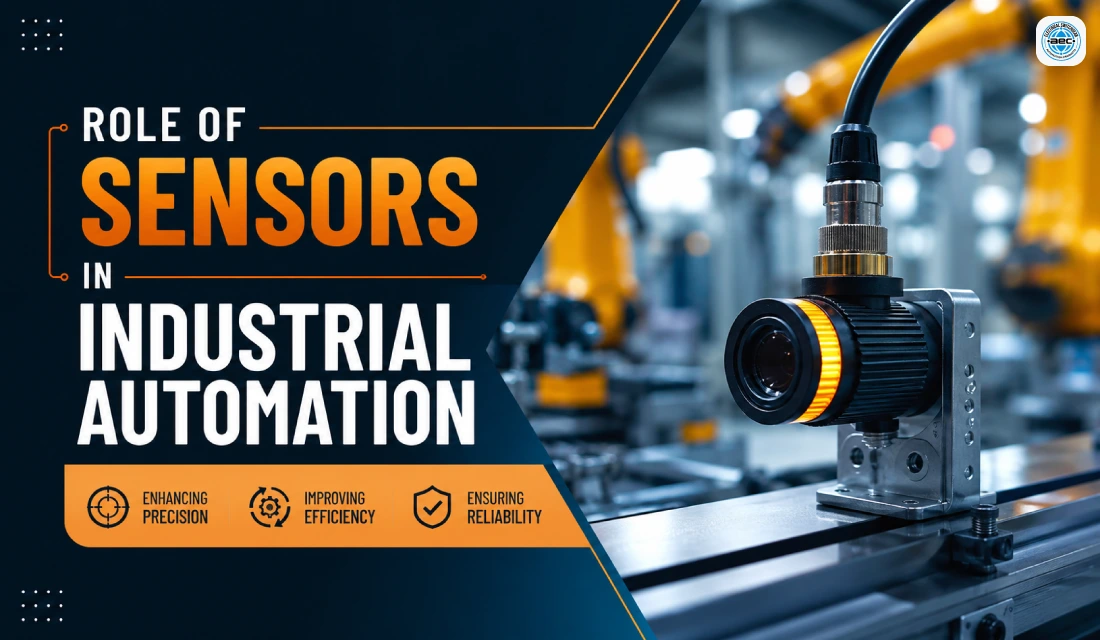
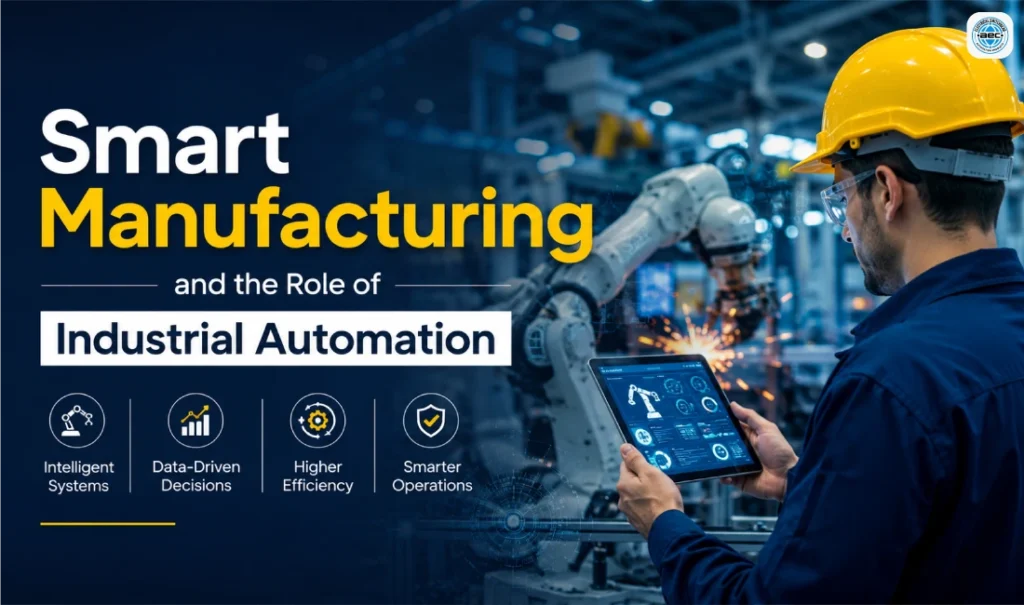
Industrial automation has become an essential part of modern manufacturing, helping factories improve production speed, consistency, safety, and operational efficiency. At the centre of many automated systems are sensors, which provide machines with the information they need to understand what is happening around them. The Role of Sensors in Industrial Automation is not limited to detecting objects; sensors can monitor machine conditions, identify product positions, support counting operations, provide feedback to control systems, and help automated equipment respond to changes in real time. From assembly lines and packaging machines to material handling systems and industrial processing equipment, sensors act as an important link between the physical production environment and the electronic control system. For manufacturers, selecting the correct industrial sensor can directly influence machine reliability, production accuracy, downtime, and overall process performance. Aarcee Electrical Controls provides a range of industrial automation products, including proximity sensors, photoelectric sensors, photo micro sensors, rotary encoders, temperature controllers, counters, timers, EOCR, and signal isolators, making sensors an important part of its wider industrial automation product portfolio.
What Is the Role of Sensors in Industrial Automation?
The Role of Sensors in industrial automation is to detect a physical condition and convert that information into an electrical signal that can be understood by an automation or control system. A sensor may detect the presence of an object, movement, position, temperature, distance, speed, or another measurable condition depending on its technology and application. Once the sensor detects the required condition, it sends an output signal to equipment such as a PLC, controller, relay, counter, timer, or other industrial control device. The control system then uses that information to determine what action should happen next. For example, when a sensor detects a component arriving at a particular point on a conveyor, the PLC can receive the signal and activate another machine or mechanism. This allows production processes to operate automatically rather than relying on an operator to continuously observe and control every individual step. Reliable sensors therefore form an important communication layer between machines and control systems. In a properly designed industrial automation system, accurate sensor feedback helps equipment operate according to programmed sequences while improving repeatability, productivity, and process control.
Why Are Sensors Important for Industrial Automation?
Sensors are important because automated machines cannot make reliable decisions without receiving accurate information about the physical process they are controlling. A PLC may contain sophisticated programming, but it still needs input signals to know whether a product has arrived, whether a component is in position, whether a machine cycle has been completed, or whether a particular condition has changed. This is where industrial sensors become essential. They continuously monitor selected points within a machine or production line and provide information that can be used for automatic decision-making. Sensors can reduce manual inspection, improve production consistency, support faster machine cycles, and help identify problems before they affect a larger part of the process. They are also useful for repetitive applications where products must be detected hundreds or thousands of times during a production shift. In packaging systems, for example, sensors can identify products moving along conveyors and provide signals for counting, filling, labelling, sorting, or positioning. In assembly equipment, sensors can confirm the presence or position of components before the next operation begins. This combination of detection and automatic response is one of the fundamental principles behind modern factory automation.
How Do Sensors Work in an Automated System?
The working process of an industrial sensor can generally be understood as a sequence involving detection, signal generation, control, and machine action. First, the sensor identifies a physical condition based on its sensing technology and the requirements of the application. A photoelectric sensor may detect an object using light, while a proximity sensor may detect an object without requiring physical contact. Once the required condition is identified, the sensor produces an electrical output that represents the detected state. This signal is then transferred to a PLC, controller, relay, counter, or another compatible automation component. The control device processes the input according to the programmed machine logic and determines what action should be taken. The machine may then start a motor, stop a conveyor, activate a pneumatic cylinder, count an item, trigger an alarm, or move to the next production stage. The complete process can be viewed as physical condition → sensor detection → electrical signal → control decision → machine response. The reliability of this sequence depends on selecting a sensor with the correct sensing technology, detection range, response speed, electrical specifications, environmental protection, and compatibility with the overall automation system.
Types of Sensors Used in Industrial Automation
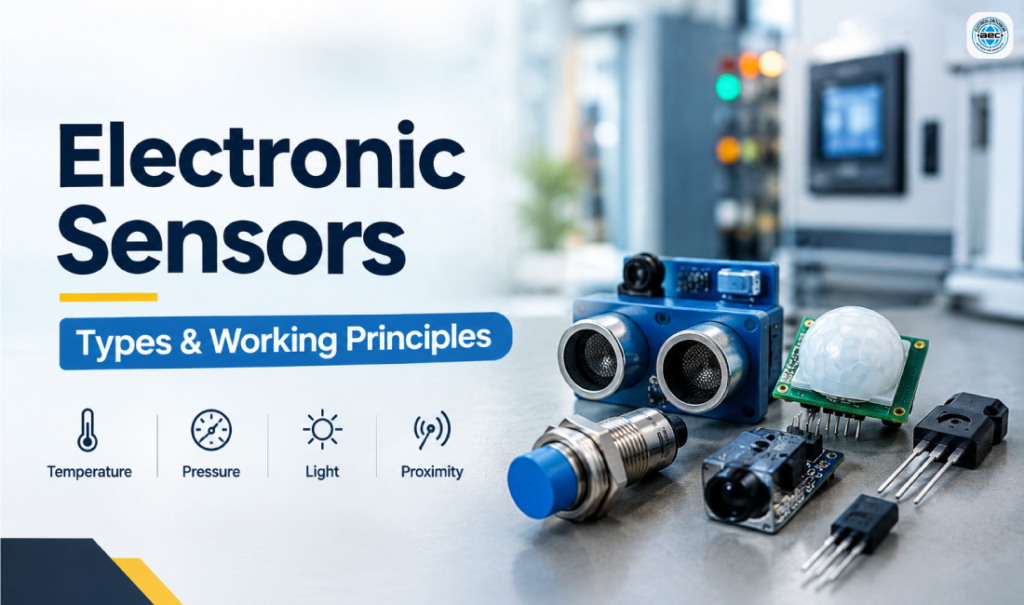
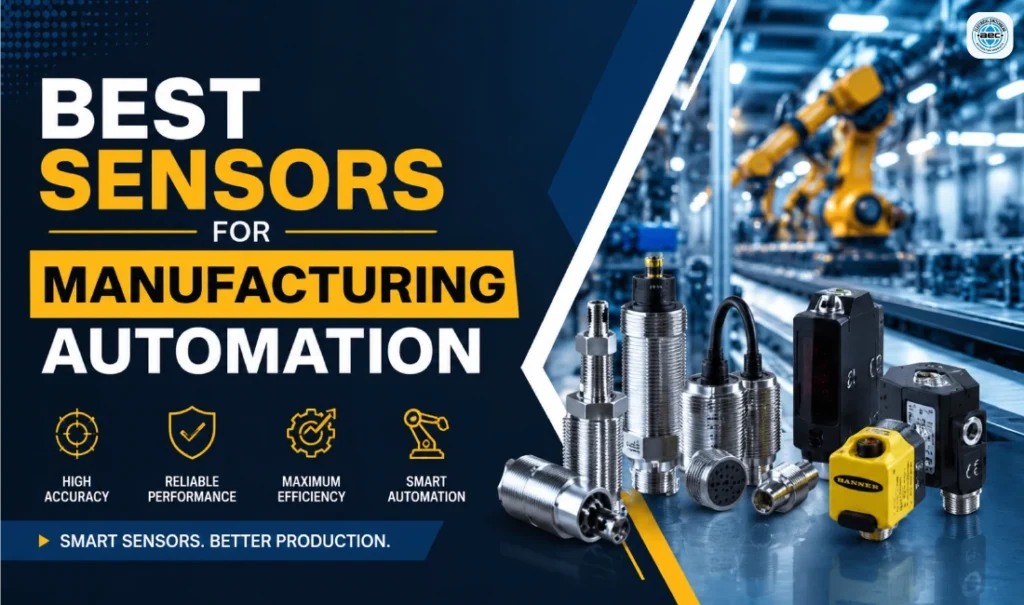
Different industrial processes require different sensing methods because no single sensor technology is suitable for every application. The correct choice depends on what needs to be detected, the material of the target, the required sensing distance, machine speed, installation space, environmental conditions, and the type of output required by the control system. Common industrial automation sensors include proximity sensors, photoelectric sensors, photo micro sensors, temperature sensors, pressure sensors, level sensors, vision sensors, and rotary encoders. Each type performs a specific function within an automated machine or production environment. Aarcee Electrical Controls has a dedicated industrial automation product range that includes cylindrical photoelectric sensors, photo micro sensors, photoelectric sensors with amplifiers, proximity sensors, small-diameter proximity sensors, and square photoelectric sensors, along with rotary encoders and other automation components. These products can be used across different machine automation and industrial control applications depending on their technical specifications. Understanding the difference between sensor types is important because the wrong sensing technology can result in false detection, missed detection, unnecessary machine stoppages, or unreliable production cycles. Sensor selection should therefore begin with a clear understanding of the actual industrial application rather than simply choosing a product based on its general category.
Role of Proximity Sensors in Industrial Automation
Proximity sensors are widely used in industrial automation because they can detect the presence or position of an object without requiring direct physical contact. This makes them particularly useful for automated machinery where components repeatedly move into specific positions during production cycles. Inductive proximity sensors are commonly used for detecting metal targets, while other proximity technologies can be selected for different materials and applications. They are often used to confirm machine positions, detect components on conveyors, monitor movement, count objects, and control sequencing operations. Because proximity sensors operate without physical contact, they can reduce mechanical wear compared with traditional contact-based detection methods in suitable applications. However, the sensing distance, target material, sensor size, mounting arrangement, switching frequency, and environmental conditions must be considered before selection. Aarcee Electrical Controls offers Proximity Sensors as well as Small Diameter Proximity Sensors within its industrial automation range. Small-diameter versions can be particularly useful where machine construction provides limited mounting space. When correctly selected and installed, proximity sensors can provide dependable input signals for PLC-based automation and help machines perform repetitive detection tasks consistently.
Role of Photoelectric Sensors in Industrial Automation
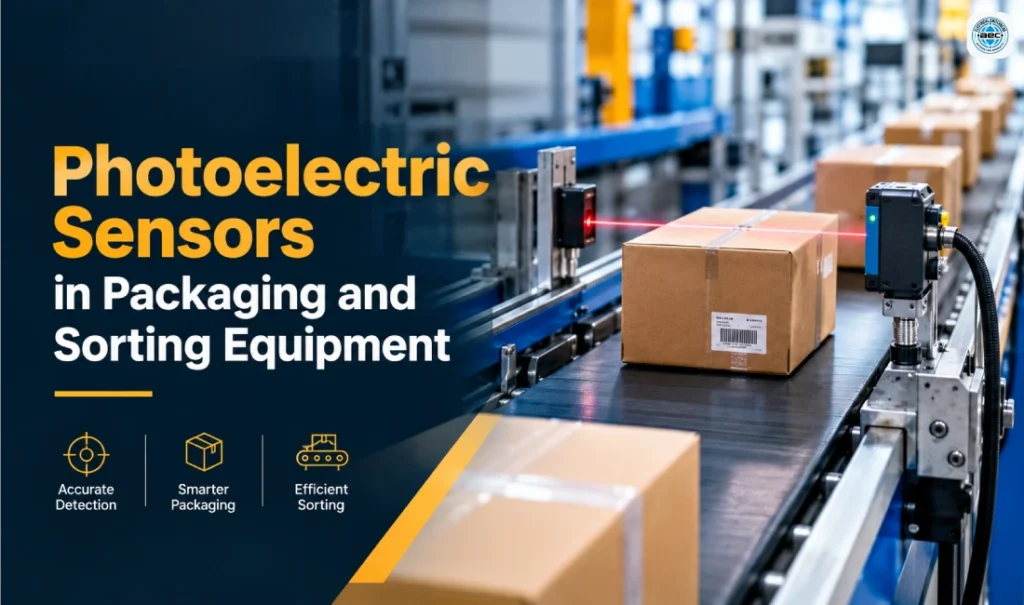
Photoelectric sensors use light to detect objects and are especially valuable when non-contact detection is required on fast-moving production lines. They can be used for detecting products on conveyors, counting components, identifying the arrival of an object, controlling machine sequences, and supporting automated packaging or material handling operations. Since the sensor does not need to physically touch the target, it can be useful for delicate, moving, or continuously transported products. Different photoelectric configurations can be selected according to the required sensing distance, target characteristics, installation arrangement, and application conditions. Aarcee Electrical Controls lists several photoelectric sensor categories, including Cylindrical Photo Electric Sensors, Photo Micro Sensors, Photoelectric Sensor With Amplifier, and Square Photo Electric Sensors. The company also lists Omron products such as the Omron E3FA-DN22, providing customers with access to recognised industrial sensing solutions. In an automated production environment, a photoelectric sensor can send a signal whenever an object enters its detection area, allowing the PLC or controller to coordinate the next operation. This makes photoelectric technology an important part of conveyor automation, packaging machinery, assembly systems, sorting applications, and product detection processes.
Role of Photo Micro Sensors in Compact Machinery
Modern industrial machines often contain many components within a restricted physical space, making compact sensing devices important for equipment designers and machine builders. Photo micro sensors are designed for applications where a smaller sensor format can provide an advantage during installation. They can be used for detecting small components, monitoring movement, identifying the presence of parts, and supporting automated sequences inside compact machinery. Their smaller construction can make them suitable for precision mechanisms and equipment where a conventional sensor may be difficult to install. However, compact size should never be considered the only selection criterion. The sensing method, detection distance, response characteristics, electrical specifications, mounting requirements, and environmental conditions still need to match the application. Aarcee Electrical Controls includes Photo Micro Sensors within its industrial automation product range and lists products such as the Omron EE-SX670A in this category. For OEMs, machine manufacturers, panel builders, and automation integrators, compact sensors can provide greater flexibility when designing machines with limited installation space. Proper sensor placement can also improve detection reliability and reduce the possibility of interference from surrounding machine components.
Role of Rotary Encoders in Industrial Automation
Rotary encoders play an important role when an automation system needs feedback about rotational movement. Depending on the type of encoder and control system, an encoder can provide information related to position, speed, direction, or movement. This information is valuable in automated machines where precise movement or rotational feedback is required. Rotary encoders can be found in applications involving conveyors, packaging machinery, machine tools, positioning systems, material handling equipment, and automated production machinery. Unlike a simple object-detection sensor, an encoder provides feedback associated with rotational motion, allowing the control system to monitor movement more precisely. When combined with PLCs, motion controllers, drives, and other automation equipment, encoders can help machines coordinate movement and maintain repeatable operating sequences. Aarcee Electrical Controls includes Rotary Encoders within its Industrial Automation category, alongside sensors, temperature controllers, counters, timers, EOCR, and signal isolators. For machine builders and industrial users, selecting the appropriate encoder requires attention to resolution, mounting arrangement, shaft configuration, output type, speed, electrical compatibility, and environmental conditions.
Role of Sensors in Process Control
Process control is one of the most important areas where sensors contribute to industrial automation because production systems frequently need continuous information about what is happening during an operation. A manufacturing machine may need to know whether a component has reached a particular position, whether a product is present before a mechanism operates, or whether a production cycle has completed successfully. Sensors provide these inputs so the control system can respond according to programmed logic. This improves repeatability because the machine does not have to rely entirely on manual observation. For example, a sensor on a conveyor can detect an incoming product and send an input to a PLC, which may then stop the conveyor and activate an assembly or packaging operation. Another sensor can confirm that the operation has been completed before the conveyor starts again. This type of feedback creates a controlled sequence in which each stage depends on information from the previous stage. The Role of Sensors in Industrial Automation is therefore closely connected to process accuracy, production quality, machine sequencing, and operational efficiency. When sensors are correctly positioned and calibrated according to the manufacturer’s specifications, they can help maintain consistent machine performance over long production cycles.
Role of Sensors in Product Counting and Detection
Automated counting is another practical application of industrial sensors, particularly in high-volume manufacturing and packaging environments. Manually counting products can be time-consuming and may introduce human error when production speeds are high. A suitable sensor can detect each passing product and generate an electrical signal that can be processed by a counter or PLC. The system can then use the count for batch control, packaging, production reporting, or machine sequencing. Photoelectric sensors are often useful for this purpose because they can detect objects without physical contact, while proximity sensors may be appropriate for particular target materials and machine configurations. Aarcee Electrical Controls also offers Counters as part of its industrial automation product range, allowing sensor inputs to be incorporated into counting and control applications. Accurate product counting depends on correct sensor positioning, suitable sensing distance, adequate response speed, and proper control-system configuration. If products are closely spaced or moving at high speed, the sensor must be capable of reliably distinguishing individual items. This demonstrates how the Role of Sensors extends beyond simple detection and becomes part of a broader production monitoring and control system.
Role of Sensors in Machine Safety
Industrial machines can involve moving mechanisms, rotating components, electrical equipment, high temperatures, pressure, and other hazards, so automation systems must be designed with safety in mind. Sensors and safety-related devices can provide information about machine conditions and help control systems respond when specific safety requirements are not satisfied. Depending on the application, safety systems may use dedicated safety sensors, safety switches, light curtains, safety relays, emergency-stop circuits, and other protective components. These devices should be selected and integrated according to the relevant machine-safety requirements rather than assuming that a standard industrial sensor is automatically suitable for a safety function. Aarcee Electrical Controls also lists products such as Safety Curtains, Safety Relays, and Limit Switches, which form part of its wider industrial control and safety product range. A well-designed machine safety system can help prevent unsafe machine operation and protect personnel when correctly implemented. Sensors can therefore contribute to safer automation by providing the control system with information about machine access, component positions, or other defined conditions. For industrial users, safety should always be considered alongside productivity, reliability, and sensor performance when planning an automated system.
Role of Sensors in Predictive Maintenance
The Role of Sensors is also expanding from basic machine control toward equipment monitoring and maintenance support. Industrial equipment can gradually develop problems due to wear, overheating, excessive vibration, electrical stress, contamination, or other operating conditions. Monitoring relevant machine parameters can help maintenance teams identify changes from normal operating behaviour and investigate potential problems earlier. Depending on the equipment, condition-monitoring systems may use temperature, vibration, current, speed, pressure, or other measurements. Sensor data can then be analysed to determine whether a machine is operating within an expected range. This does not mean that every sensor automatically provides predictive maintenance, because an effective maintenance strategy requires appropriate data collection, analysis, historical comparison, inspection procedures, and maintenance decisions. However, sensors provide the underlying measurements needed for condition monitoring. By identifying abnormal operating patterns earlier, industrial businesses may be able to schedule maintenance before a small issue develops into a major equipment failure. This can contribute to reduced unplanned downtime, improved asset utilisation, better maintenance planning, and greater production reliability.
Sensors and PLC-Based Industrial Automation
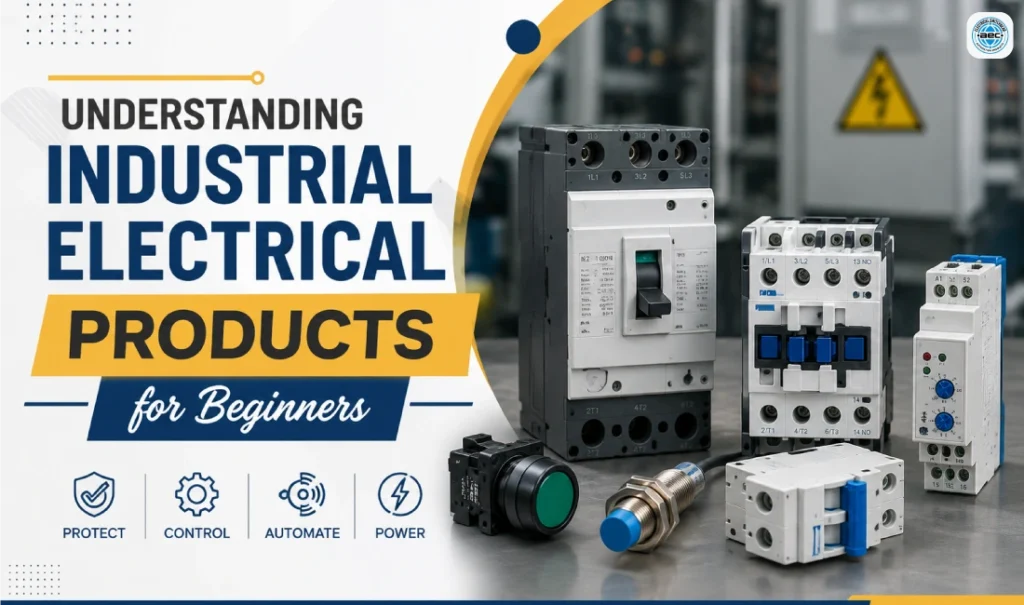
PLCs are among the most widely used control systems in industrial automation, and sensors provide many of the input signals that PLC programs use to control machines. A PLC can receive information from multiple sensors and process those inputs according to programmed logic. For example, a packaging machine may use one photoelectric sensor to detect a product, another sensor to confirm its position, an encoder to monitor movement, a counter to record completed units, and a timer to control the duration of a particular operation. The PLC combines these signals to coordinate the machine’s sequence. This illustrates why the Role of Sensors in Industrial Automation cannot be separated from the wider control architecture. Sensor selection must consider PLC input compatibility, voltage, output configuration, switching characteristics, response time, wiring, and installation requirements. Aarcee Electrical Controls supplies a broad range of industrial automation and control products that can be used as components of such systems, including sensors, counters, timers, signal isolators, EOCR, temperature controllers, relays, contactors, SMPS, and other industrial electrical products. For OEMs, panel builders, automation integrators, and manufacturing companies, selecting compatible components across the complete control system can help create a more reliable automation solution.
How to Select the Right Industrial Sensor
Choosing the correct industrial sensor starts with understanding exactly what the machine needs to detect and what conditions the sensor will experience during operation. The target material is one of the first considerations because metal, plastic, glass, liquid, packaging material, and other objects may require different sensing technologies. The required sensing distance is also important, particularly when the target moves at high speed or the sensor cannot be mounted close to it. Environmental factors such as dust, oil, moisture, vibration, temperature, chemicals, and electrical interference should also be evaluated because they can affect sensor performance. Machine builders should check the required supply voltage, output configuration, connection method, switching frequency, response time, protection rating, and compatibility with the PLC or controller. Physical dimensions matter as well, especially in compact machinery where space is limited and a small-diameter proximity sensor or photo micro sensor may be more practical. Aarcee Electrical Controls offers several sensor categories that can address different industrial requirements, but the final product should always be selected using the manufacturer’s technical specifications and the actual application conditions. A properly matched sensor can provide reliable detection, while an unsuitable sensor can lead to false signals, missed detections, machine stoppages, and unnecessary maintenance.
Conclusion: Why the Role of Sensors Continues to Grow
The Role of Sensors in Industrial Automation continues to grow as manufacturers look for better productivity, higher accuracy, safer machinery, and more connected production systems. Sensors provide the essential information that allows automated equipment to understand physical conditions and respond according to programmed control logic. From proximity sensors and photoelectric sensors to photo micro sensors and rotary encoders, each sensing technology has a specific purpose within industrial machinery. Their applications range from object detection and product counting to machine positioning, process control, movement feedback, and equipment monitoring. The quality of an automation system depends not only on the sensor itself but also on correct selection, installation, wiring, control programming, and compatibility with other industrial components. Aarcee Electrical Controls supports industrial automation requirements with a product range covering sensors and related control equipment, including Omron automation products, counters, timers, temperature controllers, EOCR, signal isolators, and other industrial electrical solutions. As factories move toward smarter and more connected automation, reliable sensing will remain one of the foundations of efficient industrial production.
FAQs
Have questions? We’ve answered some of the most common queries to help you understand the topic better.
Q1. What is the role of sensors in industrial automation?
Sensors detect physical conditions and send signals to PLCs and control systems for automated machine operation.
Q2. What are common industrial sensors?
Common types include proximity sensors, photoelectric sensors, photo micro sensors, temperature sensors, and rotary encoders.
Q3. Why are sensors important in manufacturing?
Sensors improve detection, accuracy, production speed, machine control, and process reliability.
Q4. How do proximity sensors work?
Proximity sensors detect objects without physical contact and send a signal to the connected automation system.
Q5. How do I choose the right industrial sensor?
Consider the target material, sensing distance, machine speed, environment, mounting space, and PLC compatibility.