Importance of Flexible Wire Single Core Cable in India


Electrical wiring is one of the most important parts of any residential, commercial, or industrial electrical system. The quality and suitability of the wire directly affect the safety, efficiency, reliability, and maintenance of an installation. In India, electrical systems often require wiring that can be routed through conduits, distribution boards, control panels, machinery, and compact electrical enclosures. This is where a flexible wire single core can provide an important practical advantage. Its flexible construction allows individual conductors to be routed around bends and through restricted spaces more conveniently than rigid conductors in many applications. Flexible single-core wires are commonly considered for control panels, electrical cabinets, machinery, automation systems, distribution boards, and other fixed wiring applications. However, flexibility alone should never determine cable selection. Conductor size, insulation, voltage rating, temperature, installation method, electrical load, and applicable Indian standards should all be considered before choosing a product. For electrical and industrial wiring requirements in India, Aarcee Electrical Controls offers a dedicated range of flexible wire single-core products.
What Is Flexible Wire Single Core?
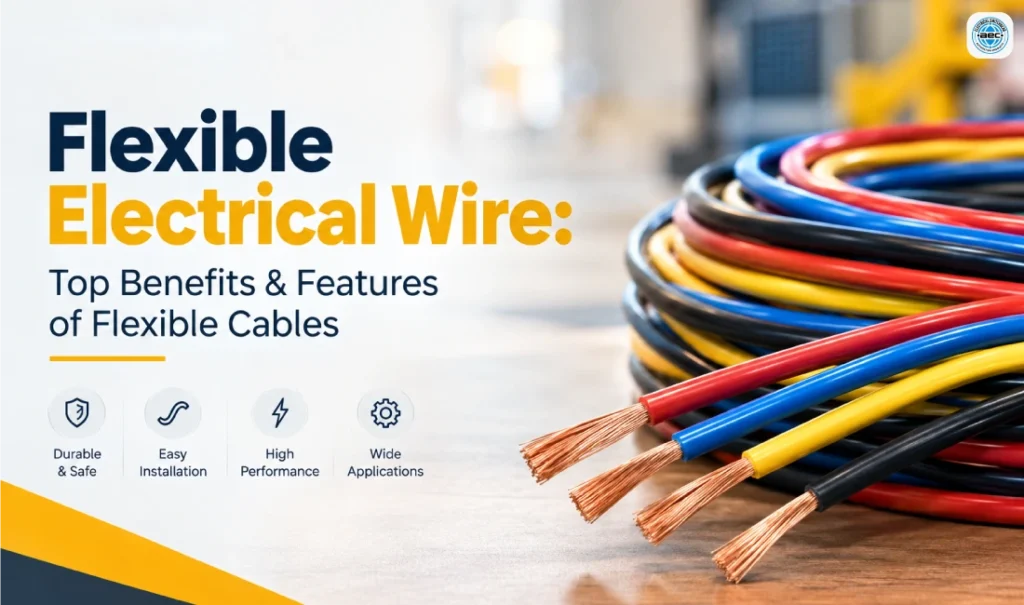
A flexible wire single core is an individual insulated electrical conductor designed to carry current while providing greater flexibility during installation. Instead of relying on one solid conductor, flexible wires generally use multiple strands that allow the conductor to bend more easily. “Single core” means that the individual wire contains one electrical conductor, allowing separate wires to be used for different electrical functions such as phase, neutral, earth, control, or equipment connections. This construction is particularly useful where several individual conductors need to be routed through electrical panels, wiring ducts, conduits, machines, or compact enclosures. Flexible single-core wiring can make connections easier to organise and can simplify routing where space is limited. The actual performance of a cable depends on its conductor material, cross-sectional area, insulation, voltage rating, flexibility characteristics, and manufacturer’s specifications. In India, IS 694:2010 covers PVC-insulated cables and cords with rigid and flexible conductors for applicable voltage ratings, making standards and product compliance important considerations when purchasing electrical wires.
Why Flexible Wire Single Core Is Important in India
India has a wide range of electrical installations, from residential buildings and commercial offices to manufacturing plants, automation systems, control rooms, and industrial machinery. These applications can have very different requirements for cable routing, electrical load, environmental conditions, and maintenance. A flexible single-core wire is particularly useful when individual conductors need to pass through bends, wiring ducts, control panels, or narrow installation spaces. The ability to bend the conductor can make installation more convenient and help electricians create cleaner wiring routes. Individual conductors can also be identified and maintained more easily when proper colour coding, labelling, and wiring practices are followed. In industrial applications, organised wiring can make inspection and troubleshooting more efficient, especially where a panel contains many electrical connections. However, the correct wire must always be selected according to the actual application. Current-carrying capacity, conductor size, insulation, voltage, temperature, installation method, and applicable standards are all important factors when choosing electrical wiring.
Easy Routing and Installation in Compact Spaces
One of the biggest benefits of flexible single-core wiring is easier routing through areas where electrical space is restricted. Electrical panels, distribution boards, control cabinets, and machinery often contain numerous components positioned close together, requiring wires to travel in different directions. A flexible conductor can be guided around components and through wiring ducts with less installation effort than a rigid conductor in many situations. This is useful when wires need to connect circuit breakers, terminal blocks, relays, contactors, power supplies, controllers, switches, or other electrical components. Flexible construction can also help installers maintain cleaner and more organised wiring paths. This is important because properly arranged wiring can make future inspection, testing, and maintenance easier. However, the wire should always be bent within the manufacturer’s specified limits. Excessive bending, sharp turns, or mechanical stress can damage the conductor or insulation. Therefore, flexibility should be treated as an installation advantage rather than permission for unrestricted bending or continuous movement.
Flexible Wire Single Core for Control Panels and Industrial Applications
One of the biggest benefits of flexible single-core wiring is easier routing through areas where electrical space is restricted. Electrical panels, distribution boards, control cabinets, and machinery often contain numerous components positioned close together, requiring wires to travel in different directions. A flexible conductor can be guided around components and through wiring ducts with less installation effort than a rigid conductor in many situations. This is useful when wires need to connect circuit breakers, terminal blocks, relays, contactors, power supplies, controllers, switches, or other electrical components. Flexible construction can also help installers maintain cleaner and more organised wiring paths. This is important because properly arranged wiring can make future inspection, testing, and maintenance easier. However, the wire should always be bent within the manufacturer’s specified limits. Excessive bending, sharp turns, or mechanical stress can damage the conductor or insulation. Therefore, flexibility should be treated as an installation advantage rather than permission for unrestricted bending or continuous movement.
Better Maintenance, Identification and Wiring Management
Electrical systems require regular inspection, maintenance, testing, and sometimes modification throughout their operating life. A well-organised wiring system can make these activities considerably easier. With individual flexible single-core conductors, electricians can route separate circuits through suitable ducts and connect them to clearly identified terminals. Proper identification can help technicians distinguish phase, neutral, earth, control, and equipment connections according to the installation design. This can save time when tracing a circuit or investigating an electrical fault. It can also make future changes easier because individual wires can be followed without disturbing the entire wiring arrangement. In industrial environments, where equipment downtime can affect productivity, efficient troubleshooting is particularly important. Flexible wiring is therefore not only an installation choice but can also contribute to better long-term cable management. However, good maintenance depends on the complete installation, including proper labelling, electrical drawings, suitable terminals, correct protection devices, and professional workmanship.
How to Choose the Right Flexible Wire Single Core
Choosing the correct flexible wire single core requires consideration of the complete electrical application rather than simply selecting a wire based on size or price. The first factor is the expected electrical load and current, which helps determine the appropriate conductor cross-sectional area. The installation method, cable length, ambient temperature, grouping with other wires, permissible voltage drop, and protection system can also affect cable selection. The insulation must be suitable for the operating environment and expected temperature. Voltage rating should match the electrical system, while the mechanical characteristics should match the installation conditions. For industrial applications, buyers may also need to consider vibration, machinery movement, heat, oil, chemicals, and other environmental factors. It is also important to check applicable Indian standards and certification requirements. Purchasing from a reliable electrical supplier can help buyers obtain proper product information and specifications. If there is any uncertainty about cable sizing or suitability, a qualified electrician or electrical engineer should be consulted before installation.
Indian Standards and Safety Considerations
Electrical wires are safety-critical products, which makes quality and compliance important considerations for Indian projects. IS 694:2010 is an important Indian Standard covering PVC-insulated unsheathed and sheathed cables and cords with rigid and flexible conductors for applicable voltage ratings. BIS documentation includes requirements related to cable construction, testing, and different insulation categories. Buyers should therefore look beyond the product name when selecting electrical wire. Important information includes conductor material, conductor size, insulation type, voltage rating, temperature rating, flexibility, applicable standard, and certification details where required. A cable that is suitable for one application may not necessarily be suitable for another simply because both applications use the same voltage. Electrical load, installation conditions, environmental exposure, and mechanical requirements all influence cable selection. For commercial and industrial projects, technical documentation should be reviewed before purchasing. Following appropriate standards and installation practices can help support safer and more reliable electrical systems.
Why Choose Aarcee Electrical for Flexible Wire Single Core?
Choosing the right supplier is an important part of purchasing electrical wiring because product specifications and application suitability directly affect installation quality. Aarcee Electrical Controls provides electrical and industrial products for a variety of wiring, control, and equipment applications. Its product range includes Flexible Wire Single Core, making it relevant for customers looking for flexible single-core electrical wiring in India. The dedicated category allows customers, electricians, contractors, panel builders, and industrial buyers to directly explore the relevant product range. Along with flexible wiring, Aarcee Electrical also offers other electrical and industrial products that can support different installation requirements. Customers should review the technical specifications of the selected product and compare them with the requirements of their project before purchasing. To explore the available products, visit the Aarcee Electrical Flexible Wire Single Core category. For other electrical and industrial requirements, customers can also visit the Aarcee Electrical website.
Conclusion
The importance of flexible wire single core cables in India comes from their ability to combine electrical functionality with practical installation flexibility. They can make wiring easier to route through compact panels, ducts, conduits, machinery, and electrical enclosures while allowing individual circuits to be identified and maintained separately. This makes them useful for residential, commercial, industrial, automation, control-panel, and machinery-related applications where the product specifications are suitable. However, selecting an electrical wire should never be based on flexibility alone. Conductor size, current-carrying requirements, voltage rating, insulation, temperature, installation environment, mechanical conditions, and applicable Indian standards must all be considered. For businesses and professionals looking for flexible single-core wiring products, Aarcee Electrical Controls provides a dedicated product category for this requirement. Visit the Flexible Wire Single Core product range to explore the available products and select a solution according to your electrical application.
FAQs
Have questions? We’ve answered some of the most common queries to help you understand the topic better.
Q1. What is flexible wire single core?
It is an individual insulated conductor designed with a flexible construction for easier routing and installation in electrical systems.
Q2. Where is flexible single-core wire used?
It is commonly used in control panels, distribution boards, electrical cabinets, machinery, automation systems, and other wiring applications.
Q3. Is flexible wire better than rigid wire?
Flexible wire is more convenient for applications requiring bends and compact routing, while rigid wire can be suitable for straightforward fixed installations.
Q4. How do I choose the right flexible wire?
Consider electrical load, conductor size, voltage, insulation, temperature, installation method, environmental conditions, and applicable standards.
Q5. Where can I buy flexible wire single core in India?
You can explore the Flexible Wire Single Core products from Aarcee Electrical for your electrical and industrial requirements.