What Is a Load Break Switch?

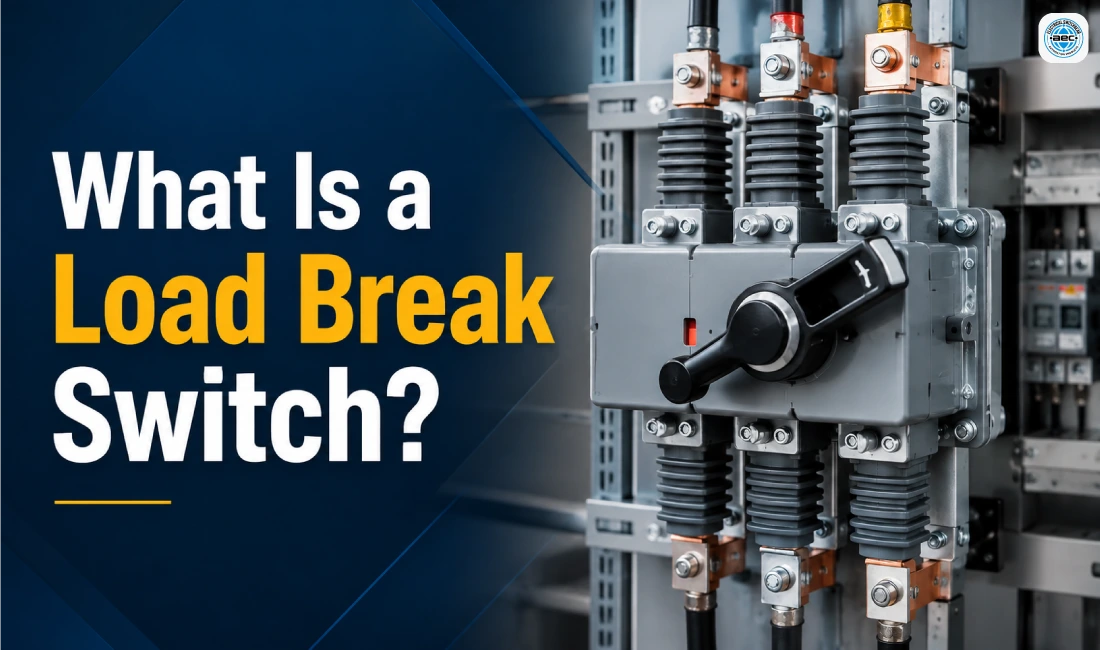
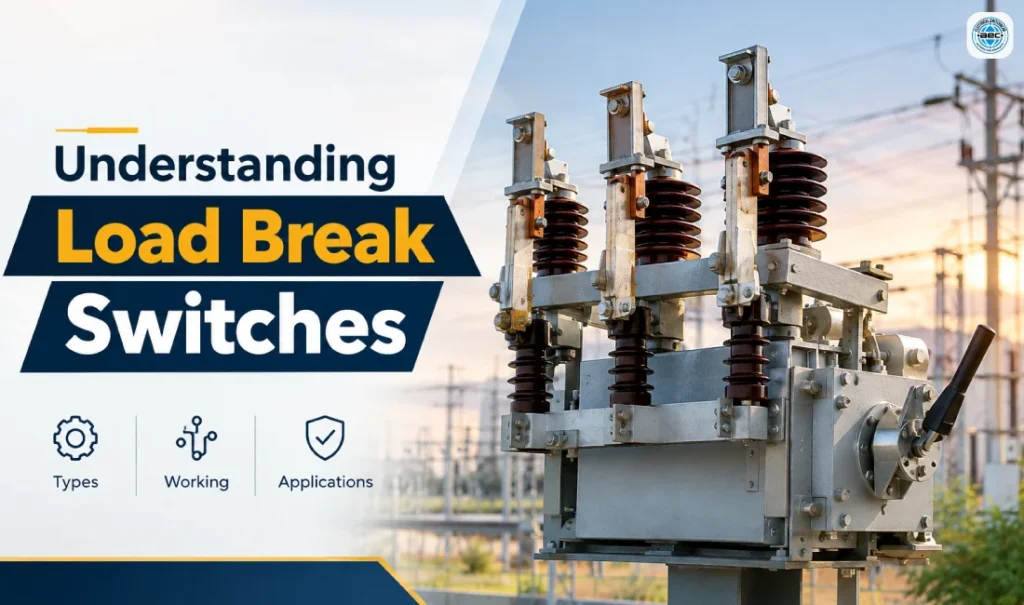
A Load Break Switch (LBS) is a mechanical electrical switching device designed to connect, carry, and disconnect electrical circuits while normal load current is flowing through the system. It is widely used in medium-voltage power distribution, industrial electrical installations, transformer connections, feeders, and switchgear systems where controlled switching is required. Unlike a basic isolator, a Load Break Switch can interrupt normal load current because it is designed with an appropriate arc-extinguishing arrangement. However, it should not be confused with a circuit breaker, which is designed to automatically interrupt high fault currents as part of a protection system. The main purpose of a Load Break Switch is to provide reliable operational control over electrical circuits and equipment under specified normal operating conditions. It can help operators disconnect a particular section of a distribution network for planned work without necessarily switching off the entire installation. The design, voltage rating, current rating, breaking capability, operating mechanism, and arc-control technology vary depending on the type of switch and its intended application.
How Does a Load Break Switch Work?
A Load Break Switch works by mechanically opening or closing the contacts of an energized electrical circuit under its specified normal operating conditions. When the switch is closed, its contacts provide a continuous path for current to flow from the supply to the connected load. When the switch is opened, the contacts separate and interrupt the current flowing through the circuit. Since the circuit may still be energized when the contacts begin to separate, an electrical arc can form between them. The switch therefore includes an arc-control or arc-extinguishing system designed to control this arc and safely complete the interruption. Depending on the equipment design and voltage level, arc interruption can involve air, vacuum technology, SF6 gas, or other approved technologies. The operating mechanism is also important because the contacts need to move correctly and at the intended speed during switching. Some Load Break Switch designs use spring-operated mechanisms to provide consistent opening and closing action, while others may support manual or motorized operation. In medium-voltage applications, the LBS may also be combined with fuses or other protection equipment to provide a coordinated switching and protection arrangement. The exact operating principle depends on the particular product, so users should always refer to the manufacturer’s technical documentation before installation or operation.
What Is the Difference Between a Load Break Switch, Isolator and Circuit Breaker?
A Load Break Switch, isolator, and circuit breaker may all be found in electrical distribution systems, but they have different purposes and operating capabilities. An isolator, also known as a disconnector, is mainly used to provide electrical isolation and is normally operated when the circuit is already de-energized or when load current has been interrupted by suitable equipment. It is generally not designed to break normal load current. A Load Break Switch, in contrast, is specifically designed to open and close a circuit while carrying normal load current within its specified ratings. This makes it suitable for routine switching operations involving transformers, feeders, and other electrical loads. A circuit breaker performs both switching and protection functions and is designed to interrupt normal current as well as specified fault currents, such as short circuits, when the protection system detects an abnormal condition. Because of this difference, an LBS should not automatically be treated as a substitute for a circuit breaker. In many electrical installations, these devices work together as part of a complete switching and protection arrangement. The choice depends on system voltage, current, fault level, protection requirements, equipment configuration, and the intended operating duty. Understanding these differences helps electrical professionals choose the appropriate switching equipment rather than selecting a device based only on its physical appearance or basic switching function.
Where Are Load Break Switches Used?
Load Break Switches are commonly used wherever electrical systems require controlled switching of normal load current, particularly in medium-voltage distribution networks and industrial installations. One important application is transformer switching, where an appropriately rated LBS can be used to connect or disconnect a transformer from the electrical distribution system under normal operating conditions. They are also used on feeder circuits to control individual sections of a power distribution network. By dividing a network into manageable sections, operators can perform planned switching or maintenance activities without necessarily disconnecting every part of the installation. Load break switches are also commonly associated with medium-voltage switchgear and ring main units, where reliable circuit control is required within distribution systems. Industrial facilities can use these switches for controlling electrical feeders that supply different production areas, machines, buildings, or distribution sections. Utility networks may also use load break switching equipment to manage sections of distribution infrastructure and support network reconfiguration. The actual application depends on the switch’s electrical ratings and the overall system design. Environmental conditions, installation location, switching frequency, load characteristics, fault level, and required protection equipment should all be considered before choosing an LBS. For businesses looking for electrical switching products, Aarcee Electrical provides industrial electrical solutions, including a dedicated Load Break Switch product category that can be reviewed according to specific project requirements.
What Are the Advantages of a Load Break Switch?
A major advantage of a Load Break Switch is that it allows operators to interrupt normal load current without requiring a circuit breaker to perform every routine switching operation. This provides greater operational flexibility in power distribution and industrial electrical systems. For example, an appropriately designed switching arrangement can allow a transformer, feeder, or selected circuit section to be disconnected for planned maintenance while other parts of the network remain operational, subject to the system configuration and safety procedure. An LBS can also provide a dedicated switching point within medium-voltage switchgear, making the distribution arrangement easier to manage. Depending on its design, it may offer compact construction, straightforward operation, clear position indication, mechanical interlocking, and manual or motorized control. Some Load Break Switch arrangements can also be integrated with fuses to provide additional protection for particular applications. Another benefit is that controlled switching can help reduce unnecessary interruptions to connected equipment when only one section of the network requires attention. However, an LBS is not a universal protection device. It has a defined switching and interruption capability, and its limitations must be considered during system design. Proper coordination with circuit breakers, fuses, protection relays, isolators, transformers, cables, and other switchgear is essential. When correctly selected and installed, a Load Break Switch can provide a practical and reliable method for managing normal electrical load switching.
How Should You Choose the Right Load Break Switch?
Selecting the correct Load Break Switch requires careful consideration of the electrical system and the operating conditions rather than choosing a product based only on its current rating. The first factor is the system voltage, because the switch must be suitable for the voltage level at which it will operate. Rated current is equally important because the LBS must safely carry the expected continuous load current within its specified limits. The required making and breaking capabilities should also match the intended switching duty and connected load. For medium-voltage applications, the arc-interruption technology used by the switch should be considered, along with the manufacturer’s specified operating conditions. Installation environment is another important factor. Indoor and outdoor installations may have different requirements, while temperature, humidity, dust, altitude, corrosion, and enclosure conditions can influence product selection. Buyers may also need to consider manual or motorized operation, operating mechanism, position indicators, mechanical interlocks, fuse compatibility, accessories, maintenance requirements, and integration with existing switchgear. The available fault level and coordination with the site’s protection system should be reviewed by a qualified electrical professional. It is also important to check applicable electrical standards and the manufacturer’s technical documentation before purchasing or installing the equipment. Aarcee Electrical’s Load Break Switch product range can be explored when looking for electrical switching solutions for industrial and distribution applications. Selecting a product based on complete technical requirements helps ensure that the switching equipment is suitable for its intended electrical duty.
Load Break Switch Safety, Maintenance and Final Considerations
Safe operation of a Load Break Switch depends on correct equipment selection, installation, operation, inspection, and maintenance. An LBS should always be operated within its rated voltage, current, and switching capabilities, and personnel should follow the manufacturer’s instructions and the electrical installation’s approved switching procedures. Opening a Load Break Switch does not automatically mean that every part of an electrical installation is safe to touch, so appropriate isolation, lockout/tagout, verification of de-energization, and earthing procedures may still be required before maintenance. Routine inspection can help identify problems such as damaged insulation, excessive contact wear, corrosion, contamination, overheating, or mechanical issues. Maintenance requirements vary according to the switch design, operating frequency, environment, and manufacturer recommendations, so there is no single maintenance interval suitable for every LBS. Medium-voltage equipment should be inspected, tested, and serviced by suitably qualified electrical professionals. Overall, a Load Break Switch is an important component for controlled switching in power distribution and industrial electrical systems. It can connect, carry, and interrupt normal load current within its specified ratings, while circuit breakers and other protection devices perform different functions. If you are sourcing electrical switching equipment, you can explore Aarcee Electrical’s Load Break Switch products for available options and product information. You can also visit Aarcee Electrical to explore other industrial electrical products and solutions. Always confirm technical specifications and application requirements before selecting or installing a Load Break Switch.
FAQs
Have questions? We’ve answered some of the most common queries to help you understand the topic better.
Q1. What is a Load Break Switch?
A Load Break Switch is an electrical switching device designed to connect, carry, and disconnect normal load current within its specified ratings.
Q2. Can a Load Break Switch replace a circuit breaker?
No. A standard LBS is designed for load switching, while a circuit breaker provides automatic interruption of specified fault currents as part of a protection system.
Q3. What is the main use of a Load Break Switch?
It is mainly used for controlled switching of electrical loads in medium-voltage distribution, transformer, feeder, industrial, and switchgear applications.
Q4. Is a Load Break Switch the same as an isolator?
No. An isolator is primarily designed for electrical isolation, while an LBS is designed to interrupt normal load current.
Q5. How do I select a Load Break Switch?
Consider system voltage, rated current, switching duty, fault level, installation environment, arc-interruption technology, protection coordination, accessories, and manufacturer specifications.