Common Issues with Junction Boxes and How to Fix Them

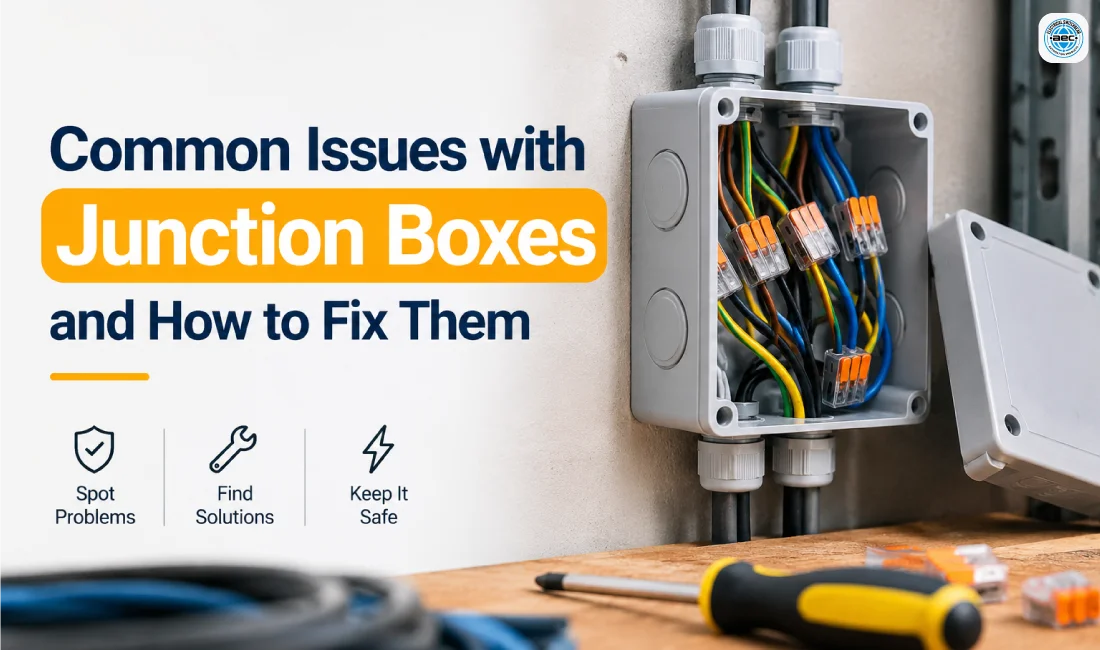
Junction Boxes are essential components of electrical installations because they protect wire connections, organise electrical wiring, and help reduce the risk of accidental contact with electrical conductors. They are widely used in residential buildings, commercial properties, factories, warehouses, and industrial automation systems where safe and organised electrical connections are important. However, problems such as loose wiring, overcrowded interiors, moisture ingress, damaged covers, and poor earthing can affect the safety and reliability of an electrical installation. If these issues are ignored, they may lead to overheating, intermittent power failures, damaged equipment, or potential electrical fire hazards. Understanding common Junction Boxes problems helps electricians, contractors, property owners, and maintenance teams recognise warning signs and arrange suitable repairs before a minor defect becomes a serious concern. In this guide, Aarcee Electrical explains the most common junction box issues, their causes, practical solutions, and the best ways to maintain electrical enclosures for long-term reliability.
Why Junction Boxes Are Important in Electrical Installations
Junction Boxes are protective enclosures designed to contain wire connections, cable joints, and other suitable electrical components while keeping the wiring organised and protected. They are commonly used in lighting circuits, residential wiring, commercial electrical systems, industrial machinery, control panels, and other applications where multiple electrical conductors need to be connected. Depending on the installation, junction boxes may be manufactured from PVC, other insulating materials, or metal, with different sizes, mounting options, and ingress protection ratings available. A correctly selected enclosure helps protect electrical connections from accidental contact, dust, moisture, and mechanical damage, provided it is installed and maintained according to the manufacturer’s instructions. Choosing the right box also makes inspection and maintenance easier because authorised personnel can access connections when necessary without damaging the surrounding installation. The enclosure must have sufficient space for its intended wiring arrangement and provide suitable protection for the environment in which it is installed. For suitable product options, visit the Aarcee Electrical Junction Box category and review the available products according to your electrical application.
Common Issues with Junction Boxes and How to Fix Them
One of the most common problems with Junction Boxes is loose or faulty wiring, which can develop because of incorrect installation, unsuitable connectors, damaged conductors, vibration, or deterioration over time. Loose electrical connections may cause flickering lights, intermittent equipment operation, unusual buzzing sounds, overheating, or visible discolouration around the enclosure. These symptoms should never be ignored because a poor connection can generate excessive heat and may lead to electrical arcing. The appropriate solution is to have a qualified electrician isolate the affected circuit, verify that it is de-energised using suitable test equipment, inspect the connections, and replace damaged wiring or connectors as required. Connectors must be compatible with the conductor material, size, and application, and repairs should follow the manufacturer’s instructions and applicable electrical requirements. Another frequent problem is overcrowded or overfilled Junction Boxes. This usually happens when too many wires, connectors, or components are placed inside an enclosure that does not provide sufficient space. Overcrowding can make it difficult to arrange conductors correctly, increase mechanical stress on connections, damage insulation, and prevent the cover from fitting properly. A qualified electrician should assess the enclosure capacity, conductor sizes, connector dimensions, and applicable box-fill requirements before deciding whether a larger box or an additional enclosure is necessary. Selecting a suitably sized junction box during the planning stage can prevent these problems and make future maintenance easier. Missing, loose, or damaged covers are also important safety concerns because they may expose internal connections to dust, debris, moisture, and accidental contact. A damaged cover can compromise the protection provided by the enclosure, particularly in industrial or outdoor environments. The correct solution is to fit a compatible replacement cover that matches the enclosure and preserves its intended protection rating. Where weather protection is required, compatible gaskets and sealing arrangements may also be necessary. During routine maintenance, check that Junction Boxes have secure covers, undamaged housings, and appropriate fastening arrangements instead of relying on improvised lids or temporary coverings. Moisture ingress and corrosion are particularly concerning when Junction Boxes are installed outdoors, in damp areas, near water pipes, or in environments exposed to condensation and cleaning processes. Water can enter through cracked enclosures, damaged seals, loose covers, or unsuitable cable entry fittings, potentially causing corrosion, insulation damage, and unreliable electrical connections. In some cases, moisture-related faults may contribute to repeated residual current device (RCD) trips. If water has entered an electrical enclosure, keep clear of the affected equipment and arrange an inspection by a qualified electrician rather than opening or attempting to dry potentially energised components. Depending on the installation, the solution may involve replacing damaged parts, improving cable entries, or installing a suitable enclosure with an appropriate IP rating, such as IP65 where the specified environmental conditions permit. Always check the manufacturer’s specifications because an IP rating does not automatically make an enclosure suitable for immersion or every outdoor application. Poor earthing, grounding faults, and unsuitable enclosure materials can create further risks. Where required by the installation design and electrical regulations, metal Junction Boxes and associated conductive parts must have appropriate protective earthing and bonding arrangements. Missing earth conductors, loose terminals, or corrosion can compromise safety and require professional investigation and testing. Similarly, cracked plastic housings, rusted metal enclosures, and materials that have deteriorated because of heat, sunlight, chemicals, or physical impact may no longer provide the necessary protection. A qualified electrician should assess whether the enclosure, wiring, protective conductors, or other components require repair or replacement. The replacement should suit the application and meet the relevant requirements for mechanical strength, temperature exposure, corrosion resistance, and fire performance. Incorrect cable entries and inaccessible Junction Boxes can also make electrical installations difficult to maintain. Unsuitable cable glands, sharp entry edges, unsupported cables, and unsealed openings may expose cables to damage or allow dust and moisture into the enclosure. Meanwhile, boxes concealed behind permanent wall finishes, insulation, or fixed structures may be difficult to inspect and repair when a fault develops. The solution is to use compatible cable entry fittings, provide suitable mechanical support, and keep junction boxes accessible wherever required by the applicable installation rules. Before renovation work is completed, property owners and contractors should coordinate with the electrician to ensure that existing electrical connections are not improperly concealed.
How to Prevent Junction Box Problems and Maintain Electrical Safety
Preventing Junction Boxes problems begins with selecting an enclosure that matches the wiring requirements and environmental conditions of the installation. Before choosing a product, consider the number and size of conductors, available internal space, connector requirements, mounting arrangements, cable entry options, and the enclosure’s material. Outdoor and industrial installations may also require protection against water, dust, sunlight, chemicals, vibration, or physical impact. A box that works well indoors may not provide adequate protection in a demanding industrial environment, so the manufacturer’s product specifications should always be checked before installation. You can explore the Junction Box range from Aarcee Electrical when comparing options for your project. Regular inspections can help identify visible damage before it affects the electrical system. Maintenance teams should look for cracked housings, missing covers, corrosion, water marks, loose mounting arrangements, and damaged cable entries. Unusual electrical symptoms, including flickering lights, intermittent equipment operation, burning smells, buzzing sounds, or repeated protective-device trips, should be investigated rather than repeatedly ignored or reset. Any internal inspection, connection repair, earthing verification, or electrical testing should be performed by appropriately qualified personnel using safe isolation procedures. If there is active sparking, smoke, or a strong burning smell, keep people away from the affected equipment and seek urgent assistance. Accessibility is another important part of good junction box maintenance. Enclosures should remain accessible wherever the applicable electrical installation requirements call for inspection, testing, or servicing of connections. Keeping installation records and documenting modifications can help maintenance teams locate boxes quickly and understand previous repairs. For further general guidance, consult Electrical Safety First’s electrical safety advice and check the electrical safety regulations applicable to your location. In India, installations should be assessed against the relevant requirements, including applicable Central Electricity Authority safety regulations, while installations in other countries must follow their own local standards. For businesses, contractors, and industrial maintenance teams, the right combination of suitable enclosures, correctly installed wiring, and planned inspections can reduce avoidable electrical problems and help maintain reliable equipment operation. Junction Boxes should never be selected on price or appearance alone because the correct dimensions, material, ingress protection, and installation method all contribute to their suitability. Addressing faults early and using compatible replacement components can also make repairs more manageable over the life of the installation.
Conclusion
Junction Boxes play an important role in protecting electrical connections across residential, commercial, and industrial installations, but their safety depends on correct selection, installation, and maintenance. Loose wiring, overcrowded interiors, missing covers, moisture ingress, poor earthing, deteriorated materials, incorrect cable entries, and inaccessible locations can all create safety and reliability concerns. Recognising warning signs early and arranging a professional inspection can help prevent minor defects from developing into more serious electrical faults. Choosing an enclosure that matches the wiring arrangement and surrounding environment is equally important when planning a new installation or replacing a damaged box. For suitable enclosure options, explore the Aarcee Electrical Junction Box product category and review the available products against your project requirements. With appropriate product selection, professional installation, and regular maintenance, Junction Boxes can provide dependable protection for electrical connections over the long term.
FAQs
Have questions? We’ve answered some of the most common queries to help you understand the topic better.
Q1. What are the most common Junction Boxes problems?
Common problems include loose wiring, overcrowding, missing covers, moisture ingress, corrosion, poor earthing, and damaged enclosures.
Q2. Why do Junction Boxes overheat?
Overheating may result from loose connections, damaged conductors, overloaded circuits, or unsuitable electrical components. A qualified electrician should investigate the cause.
Q3. Can Junction Boxes be used outdoors?
Yes. Choose an enclosure with suitable materials, seals, cable entries, and an IP rating for the expected environmental conditions.
Q4. Do Junction Boxes need to remain accessible?
They generally need to remain accessible wherever the applicable electrical installation requirements call for inspection or maintenance access.
Q5. When should a junction box be replaced?
Replace or professionally assess a box that is cracked, corroded, water-damaged, deformed, or unable to provide the protection required for its application.